

Surgical Tooth Extraction Puslinch
Surgical tooth extraction in Puslinch is a carefully planned dental procedure to remove a tooth that cannot be taken out using standard extraction techniques. Queen King Dental provides this service to patients throughout Puslinch and the surrounding Hamilton region who need a higher level of care than routine extractions demand.
Most people think of tooth extraction as a simple pull-and-go procedure. Surgical extraction is different. It is necessary when a tooth is deeply impacted, broken below the gum line, has curved or fused roots, or sits in a position that makes standard removal impossible. Rather than forcing the issue, our dentists at Queen King Dental use a surgical approach that is gentler on your bone and tissue, even though the procedure itself is more involved.
If you live in Puslinch and are facing a complex extraction, understanding what this procedure involves helps ease anxiety. Our team specializes in creating a calm environment through amenities like weighted blankets, aromatherapy, and InLight Therapy(R) so that your experience is as comfortable as possible.
When Surgical Extraction Becomes Necessary
Your dentist recommends surgical extraction when a tooth cannot be removed safely with standard forceps and simple leverage. This happens in several common situations.
Impacted teeth are the most frequent reason. Wisdom teeth often fail to fully erupt through the gum, remaining trapped beneath bone or soft tissue. Patients in Puslinch dealing with impacted wisdom teeth find that surgical removal prevents infection, crowding, and ongoing pain. Similarly, a tooth that has fractured at or below the gum line leaves nothing above the surface to grasp with instruments, making surgery the only option.
Teeth with curved, extremely long, or fused roots also require surgical intervention. Attempting to force these out can shatter the tooth, leaving fragments behind and damaging surrounding bone. Our experienced dentists at Queen King Dental assess your specific situation and explain why a surgical approach protects your long-term oral health.
Surgical extraction, though more involved than routine removal, often preserves more bone and heals more predictably than attempting to force out a difficult tooth.
What the Surgical Extraction Process Involves
The procedure unfolds in clear, manageable stages, and Queen King Dental guides you through each one.
Your dentist begins with a thorough assessment using advanced imaging to see exactly how the tooth sits in your jaw. This diagnostic clarity - supported by our iTero digital scanners and detailed radiographs - means no surprises during the procedure. You will receive anesthesia to numb the area completely; most patients feel only pressure and vibration, not pain.
Once you are comfortable, your dentist makes a small incision in the gum tissue to access the tooth. In some cases, a small amount of bone around the tooth is carefully removed to allow access. The tooth may be sectioned into smaller pieces that come out separately - this is far gentler than trying to remove it whole. After removal, the area is thoroughly cleaned and the gum is closed with sutures that dissolve naturally or may be removed at a follow-up visit.
The entire procedure typically takes 20 to 40 minutes, depending on the tooth's complexity. Recovery happens gradually over the following days and weeks.
Recovery and Aftercare in Puslinch
What happens after surgery matters as much as the procedure itself. Queen King Dental provides clear aftercare instructions so your healing stays on track.
The first 24 hours are critical. You may experience swelling, minor bleeding, and discomfort - all normal. Ice applied to the outside of your cheek for 15 minutes at a time during the first day reduces swelling. After 24 hours, warm compresses feel better. Pain is usually mild to moderate and manageable with over-the-counter medication or what your dentist prescribes.
Here is what a smooth recovery looks like:
- Days 1-3: Swelling peaks around day two, then begins to subside. Stick to soft foods and avoid hard, hot, or spicy items.
- Days 4-7: Most people return to normal activities. Sutures may be removed if they are not dissolving.
- Weeks 2-8: Bone fills in the extraction site. Avoid strenuous exercise and contact sports.
- Months 3-6: The socket fully heals beneath the surface, though you may not feel or see changes.
Patients in Puslinch should avoid smoking, alcohol, and using straws during the first week - suction can disturb the healing clot and cause complications. Gentle salt water rinses starting 24 hours after surgery promote healing. If you experience excessive bleeding, fever, or spreading swelling after three days, contact Queen King Dental right away; same-day appointments are available for emergencies.
Extraction often leaves a space in your smile or bite. Our team discusses your options - whether clear aligners, dental implants, or other restorative solutions - so you understand what comes next.
If you are facing a surgical extraction and want to work with a team that prioritizes your comfort and expertise, Queen King Dental welcomes your call. We serve patients throughout Puslinch and Hamilton with the care and advanced technology you deserve.
Frequently Asked Questions
How long does surgical tooth extraction take?
Most surgical extractions take 20 to 40 minutes, depending on the tooth's position, root structure, and complexity. Your dentist will give you a clearer timeframe after examining your specific case.
Is surgical extraction more painful than a regular extraction?
No. Both use anesthesia to numb the area completely. You feel pressure and vibration but not pain during the procedure. Recovery discomfort is typically mild to moderate and manageable with standard pain relief.
Are there dental clinics in Puslinch that offer surgical extraction?
Yes. Queen King Dental, serving Puslinch and the Hamilton region, provides surgical tooth extraction alongside general and advanced restorative care in a comfortable, anxiety-friendly environment.
When can I eat normally after surgical extraction?
Stick to soft foods for the first 3 to 5 days while initial healing occurs. By day 7, most people gradually return to normal eating. Avoid very hard or sticky foods for a few weeks.
What happens if I need a tooth replaced after extraction?
Your dentist discusses your options once healing is complete. Common choices include dental implants for a permanent solution, a bridge, or clear aligners if other teeth need adjustment. Queen King Dental offers all these services.
Can I drive myself home after the procedure?
No. Because you receive sedation or anesthesia, you must have someone drive you home. Plan for a responsible adult to be present and take you home safely.
How long is the full healing process after surgical extraction?
Initial healing takes 7 to 10 days, and you can return to most activities by then. Complete bone healing takes 3 to 6 months, though the socket is functionally healed much sooner.
Whiten Your Smile … Virtually! Try It Now!
Get A Glimpse Of Our Care!
With our iTero intraoral scanner, our team can create incredibly precise, natural-looking, and durable crowns, bridges, implants, and more. Watch this video to learn more!
Ask Us About InLight Therapy!
Top Reasons We Could Be Perfect For You & Your Family

Proven Technology
Zoom Whitening
Tailored Care
Meet Our Doctor & Team
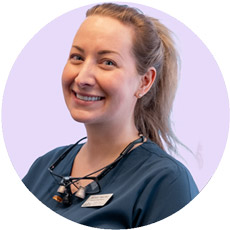
General dentist Dr. Simali Garach and every member of our Queen King Dental family are dedicated to enhancing the well-being of our patients, one smile at a time. Offering a wide range of preventive, restorative, cosmetic, and periodontal services, we strive to establish enduring relationships based on trust and mutual respect. We hold our patients in high esteem and prioritize their needs above all else. Call us today, and let's work together to prioritize your beautiful smile!















Have Insurance Questions?

Contact Us
Today
If you want to know more about us, our approach to dentistry, and how we can help you care for your smile, contact us today. Our friendly and knowledgeable staff is excited to get to know you better and help you reach your oral health goals!
Read Our Awesome Reviews
- Derek T
- Grace D
- James C