


Oral Surgeon St George Brant
Finding an oral surgeon in St George Brant involves understanding your clinical needs, verifying credentials and surgical capabilities, and choosing a practice that prioritizes your comfort during a procedure that many patients approach with understandable concern. Queen King Dental provides comprehensive oral surgery services to residents of St George Brant and surrounding Hamilton communities, combining advanced diagnostic technology with patient-centered amenities designed to reduce anxiety during surgical care.
This guide walks you through the decision-making process so you can move forward with confidence, knowing you have selected a surgeon equipped with both technical expertise and genuine attention to your experience.
Step 1: Identify Your Surgical Need and Consultation Requirements
Begin by clarifying what type of oral surgical procedure you require. Common reasons patients in St George Brant seek oral surgery include wisdom tooth extraction, impacted tooth removal, bone grafting before dental implant placement, or complex restorative cases. Each procedure carries different technical demands and recovery timelines. Your primary care dentist may have already identified the need, or you may be seeking a surgical opinion independently.
Queen King Dental's oral surgery team evaluates patients through detailed consultations that include imaging with iTero digital scanners and other advanced diagnostics. During your initial consultation, bring any existing radiographs, a list of medications, and a clear description of symptoms or concerns. This appointment typically takes 30 to 45 minutes and gives both you and the surgeon a chance to establish whether you are a candidate for surgery and what the procedure entails.
Step 2: Verify Surgical Credentials, Experience, and Facility Standards
Oral surgery requires specialized training beyond general dentistry. Verify that your surgeon holds a recognized dental degree (DDS or DMD), additional formal training in oral and maxillofacial surgery, and current licensure with provincial regulatory bodies. Ask directly about the surgeon's experience with your specific procedure type-years in practice and patient volume matter. Queen King Dental's team, including experienced practitioners, maintains rigorous standards in sterilization protocols, anesthesia administration, and emergency preparedness.
Inquire about the facility's surgical setup: Does it meet standards for local anesthesia, nitrous oxide, and conscious sedation? Are emergency equipment and trained personnel available? A reputable oral surgery practice in St George Brant will answer these questions openly and provide documentation if requested. The clinic's commitment to amenities like weighted blankets and aromatherapy signals attention to patient comfort, while advanced diagnostic technology demonstrates investment in precision and safety.
Patients recovering from oral surgery benefit measurably when they choose a practice that combines surgical expertise with a calm, supportive environment and a commitment to same-day or near-immediate post-operative support.
Step 3: Review Anesthesia Options and Pain Management Protocols
Oral surgery in St George Brant is performed under various anesthesia levels depending on procedure complexity and patient medical history. Local anesthesia numbs the surgical site only; conscious sedation relaxes you while you remain aware; general anesthesia renders you unconscious. Your surgeon will recommend the appropriate level based on the procedure duration, your anxiety level, and any underlying health conditions. Be transparent about dental phobia, previous anesthesia reactions, or medications you take-this information is essential for safe surgery planning.
Queen King Dental incorporates InLight Therapy and other comfort-focused strategies to minimize perception of discomfort before anesthesia takes effect. Ask about post-operative pain management: What medications will be prescribed? Are there non-pharmaceutical options like ice therapy schedules or position recommendations? Understanding your pain management plan before surgery day reduces anxiety and helps you prepare physically and mentally.
Step 4: Confirm Pre-Operative Instructions and Medical Clearance
At least one week before your surgery date, your oral surgeon will provide written pre-operative instructions. These typically include fasting requirements (usually nothing to eat or drink for 6 to 8 hours before surgery if anesthesia is used), medication adjustments, and what to wear and bring. Some patients require medical clearance from their primary care physician, especially if they have heart disease, uncontrolled diabetes, bleeding disorders, or take blood thinners. Do not skip this step-surgical complications rise when pre-operative protocols are incomplete.
Confirm that Queen King Dental has your current emergency contact, insurance information, and a responsible adult to drive you home if sedation or general anesthesia is used. Review your surgical consent form thoroughly; ask questions about anything you do not understand. This is your opportunity to address final concerns before the procedure date.
Step 5: Prepare Your Home Recovery Environment
Oral surgery recovery depends on your environment as much as on the surgeon's technique. Arrange time off work-most patients need 3 to 7 days depending on procedure severity. Stock your home with soft foods (yogurt, applesauce, smoothies, mashed potatoes), prescribed or recommended pain medications, ice packs, and clean gauze. Create a comfortable resting area with extra pillows to elevate your head, which reduces post-operative swelling. Have entertainment ready for the first few days when activity is limited.
Set reminders for medication timing and wound care steps. Many practices in St George Brant, including Queen King Dental, provide detailed aftercare instructions with diagrams and timelines. Print these and post them where you will see them regularly during recovery. Understanding what swelling, discoloration, and minor oozing are normal-versus what signals a complication requiring immediate contact-prepares you mentally for the days ahead.
Step 6: Attend Your Surgical Appointment and Communicate Clearly
Arrive 15 minutes early to allow time for final paperwork and vital sign checks. Wear comfortable, loose clothing and leave jewelry and valuables at home. Communicate any last-minute health changes (new symptoms, medication changes, anxiety spikes) to your surgical team immediately. If you have taken sedating medications or sedation will be administered, confirm your transportation arrangement is finalized and your responsible adult is present or on their way.
During the procedure, your surgeon and clinical staff monitor your vital signs continuously and adjust anesthesia or technique as needed. Your comfort and safety are the operational priority. Once surgery is complete, a member of the Queen King Dental team will review your post-operative instructions with you and your accompanying adult, ensuring both of you understand medication timing, activity restrictions, and when to schedule your follow-up appointment.
Step 7: Follow Post-Operative Care Instructions and Schedule Follow-Up
The first 24 to 48 hours are critical for healing. Follow ice therapy schedules precisely (typically 20 minutes on, 20 minutes off for the first day), keep your head elevated while resting, and take prescribed medications on schedule-not just when you feel pain. Avoid rinsing, spitting forcefully, smoking, or using straws, all of which can disturb the surgical site. Most swelling peaks on days 2 to 3, then gradually resolves over 1 to 2 weeks.
Queen King Dental schedules follow-up appointments within 1 to 2 weeks to assess healing and remove sutures if needed. Attend this appointment even if you feel fine; the surgeon needs to confirm that healing is on track and rule out infection or delayed complications. If you experience severe pain unrelieved by medication, fever above 101 degrees Fahrenheit, excessive bleeding, or signs of allergic reaction, contact your oral surgeon immediately rather than waiting for a scheduled appointment.
Choosing an oral surgeon in St George Brant is a decision that benefits from clarity about your needs, the surgeon's qualifications, and your own role in preparation and recovery. Queen King Dental combines surgical expertise, advanced diagnostic and treatment technology, and genuine commitment to patient comfort-from your initial consultation through your final post-operative visit. If you are ready to move forward with oral surgery, contact Queen King Dental to schedule a consultation and discuss how they can support you through every stage of your care.
Frequently Asked Questions
What qualifications should I look for in an oral surgeon in St George Brant?
Your oral surgeon should hold a DDS or DMD degree, completed formal training in oral and maxillofacial surgery, and current licensure with provincial dental regulatory bodies. Ask about years of experience with your specific procedure and whether the facility meets standards for anesthesia administration, sterilization, and emergency preparedness. Queen King Dental's surgical team meets these standards and maintains advanced diagnostic technology for precise surgical planning.
How long does recovery take after oral surgery?
Recovery time varies by procedure type and complexity, ranging from 3 to 7 days for most patients to return to light activity, with full healing taking 2 to 4 weeks. Swelling typically peaks at days 2 to 3, then gradually resolves. Your surgeon will provide a detailed timeline specific to your procedure and monitor healing at follow-up appointments.
What should I avoid during the first week after oral surgery in St George Brant?
Avoid rinsing, spitting forcefully, smoking, using straws, vigorous exercise, and hot foods or beverages for the first 1 to 2 weeks. These activities can disturb the surgical site and delay healing. Stick to soft foods, keep your head elevated, and follow ice therapy schedules exactly as prescribed by your surgeon.
Do I need to arrange transportation after oral surgery?
Yes. If local anesthesia only is used, you may drive yourself; however, if conscious sedation or general anesthesia is administered, you must arrange for a responsible adult to drive you home and stay with you for at least a few hours. Do not plan to operate a vehicle or make important decisions on the day of surgery.
Whiten Your Smile … Virtually! Try It Now!
Get A Glimpse Of Our Care!
With our iTero intraoral scanner, our team can create incredibly precise, natural-looking, and durable crowns, bridges, implants, and more. Watch this video to learn more!
Ask Us About InLight Therapy!
Top Reasons We Could Be Perfect For You & Your Family

Proven Technology
Zoom Whitening
Tailored Care
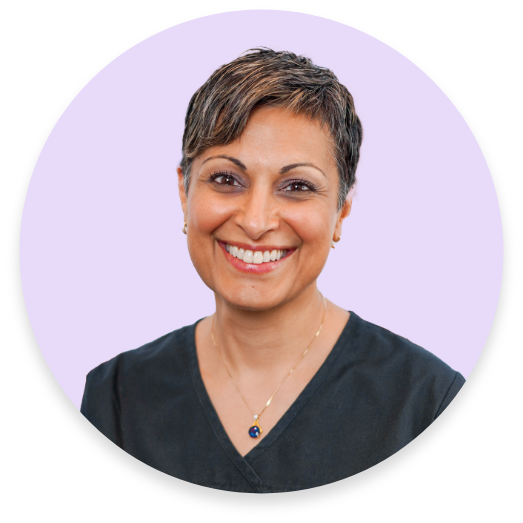
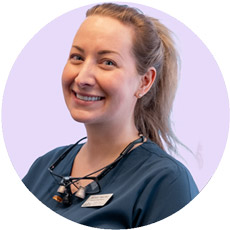
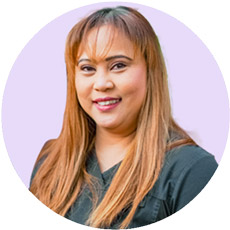
Meet Our Doctor & Team
General dentist Dr. Simali Garach and every member of our Queen King Dental family are dedicated to enhancing the well-being of our patients, one smile at a time. Offering a wide range of preventive, restorative, cosmetic, and periodontal services, we strive to establish enduring relationships based on trust and mutual respect. We hold our patients in high esteem and prioritize their needs above all else. Call us today, and let's work together to prioritize your beautiful smile!













Have Insurance Questions?

Contact Us
Today
If you want to know more about us, our approach to dentistry, and how we can help you care for your smile, contact us today. Our friendly and knowledgeable staff is excited to get to know you better and help you reach your oral health goals!
Read Our Awesome Reviews
- Derek T
- Grace D
- James C