

Iv Sedation Burlington
Intravenous sedation is a medical technique in which a sedative drug is delivered directly into the bloodstream through a vein, allowing dentists to perform procedures while you remain calm and minimally aware. At Queen King Dental, we offer IV sedation to patients throughout the Hamilton region, including those in Burlington, who experience dental anxiety, require complex procedures, or simply prefer deep relaxation during their dental care.
1. IV Sedation Works Through Titratable Dosing for Precise Control
The pharmacokinetics of intravenous sedation depend on real-time titration-meaning the dental team adjusts the drug dose continuously based on your response. Rather than administering a fixed amount before treatment begins, the sedationist monitors your vital signs, respiratory rate, and level of consciousness throughout the procedure and adds medication in small increments as needed. This approach minimizes oversedation and the risks associated with it.
Because IV sedation is titrated, you receive only the amount necessary for your comfort during your specific procedure. Queen King Dental's team stays with you throughout, using pulse oximetry and continuous cardiac monitoring to ensure your oxygen saturation and heart rhythm remain stable. This precision is one reason IV sedation is considered safer than oral sedation for longer or more invasive cases.
2. Three Distinct Sedation Levels Serve Different Clinical Needs
Dental sedation exists on a spectrum defined by the American Dental Association. Minimal sedation (anxiolysis) reduces anxiety while you remain fully conscious and responsive to commands. Moderate sedation (conscious sedation) produces drowsiness and partial memory loss; you can respond to stimulation but may not recall the procedure. Deep sedation approaches general anesthesia-you are nearly or entirely unconscious and may require airway support.
Queen King Dental tailors the depth of sedation to your procedure complexity and anxiety level. A patient undergoing routine implant placement may need only conscious sedation, while someone with severe phobia or requiring multiple extractions might benefit from deeper sedation. Your dentist and sedation specialist will discuss which level suits your clinical situation and comfort needs before the appointment.
IV sedation allows complex dental work to be completed in fewer appointments because patients remain still and relaxed, and the dentist can work without time pressure from an anxious patient.
3. Pre-Procedure Requirements Protect Your Safety and Outcome
IV sedation requires fasting beforehand-typically nothing to eat for six hours and nothing to drink for two hours before your appointment. This reduces the risk of aspiration, a serious complication where stomach contents enter the lungs during sedation. You will also need someone to drive you home, as sedative drugs impair judgment and reaction time for several hours after your procedure ends.
Queen King Dental provides clear pre-sedation instructions during your consultation. Beyond fasting and transportation, you may be asked to avoid certain medications or supplements that interact with sedative agents. If you have sleep apnea, heart disease, or other systemic conditions, this information is essential-it helps the sedation team choose the safest drug protocol and monitor you more vigilantly.
4. Recovery Involves Gradual Cognitive and Physical Return to Baseline
Sedation recovery is not instantaneous. Most patients regain full consciousness within 30 to 60 minutes, but residual drowsiness, impaired coordination, and temporary memory gaps persist for several hours. You will not be discharged alone; a responsible adult must remain with you and handle driving.
In the first 24 hours after your appointment, avoid operating machinery, signing legal documents, or making important decisions. Some patients feel tired and prefer to rest at home the remainder of the day. Queen King Dental's team provides written post-sedation care instructions so you know exactly what to expect and how to manage mild side effects like nausea or slight dizziness.
5. Qualified Sedation Personnel and Monitoring Equipment Are Non-Negotiable
Not every dental office offers IV sedation safely. It requires trained personnel-either a dentist with advanced credentials in sedation, a dental anesthesiologist, or a nurse anesthetist-and continuous electronic monitoring. Pulse oximetry, cardiac monitoring, and blood pressure measurement must run throughout the entire procedure. Emergency equipment and medications for reversing sedation must be immediately available.
Queen King Dental's sedation services are delivered by experienced clinicians who follow strict safety protocols and maintain current credentials in advanced cardiac life support. The office is equipped with modern monitoring technology and emergency backup systems. When you choose this practice for sedation dentistry, you are choosing a facility that treats safety as non-negotiable, not optional.
If you live in Burlington or elsewhere in the Hamilton area and have been avoiding dental care because of anxiety or the complexity of needed treatment, IV sedation may be the bridge you need to get healthy teeth and a confident smile. Queen King Dental welcomes a conversation about whether this option is right for you. Reach out to learn more about how sedation dentistry can transform your experience and help you reclaim your oral health.
Frequently Asked Questions
Is IV sedation safe for routine dental work?
Yes, IV sedation is safe for routine procedures when administered by qualified personnel with proper monitoring. The sedationist continuously adjusts medication dose and watches your vital signs throughout the appointment. Serious complications are rare because the team can respond instantly to any change in your condition.
How much does IV sedation cost in Burlington?
Sedation fees vary based on the depth of sedation required, the length of your procedure, and the qualifications of the sedation provider. Your dental office will provide a detailed estimate during your consultation. Many dental insurance plans cover at least part of the sedation cost when it is medically necessary.
Can I eat or drink before my IV sedation appointment?
No. You must fast for at least six hours before eating and two hours before drinking anything but water to reduce the risk of aspiration. Your dentist will give you specific pre-appointment instructions tailored to your sedation time and medication protocol.
Will I remember my procedure after IV sedation?
That depends on the depth of sedation. With minimal sedation, you will remember most or all of it. With moderate or deep sedation, you may have little to no memory of the procedure-a common benefit for patients with severe anxiety. Your sedation level will be chosen based on your needs and preferences.
Whiten Your Smile … Virtually! Try It Now!
Get A Glimpse Of Our Care!
With our iTero intraoral scanner, our team can create incredibly precise, natural-looking, and durable crowns, bridges, implants, and more. Watch this video to learn more!
Ask Us About InLight Therapy!
Top Reasons We Could Be Perfect For You & Your Family

Proven Technology
Zoom Whitening
Tailored Care
Meet Our Doctor & Team
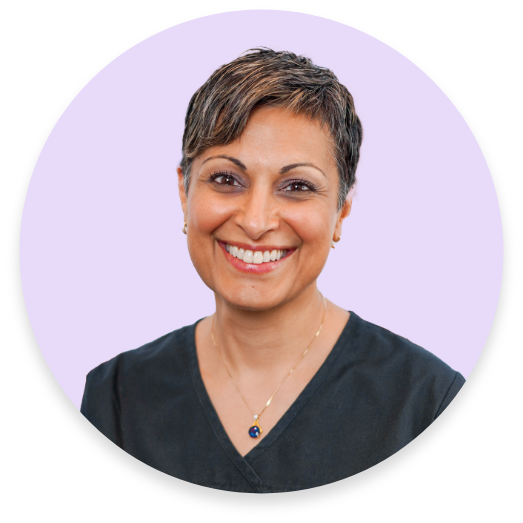
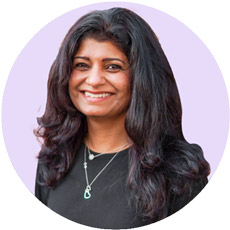
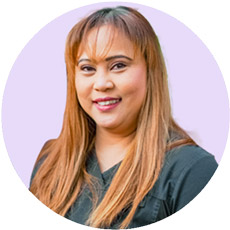
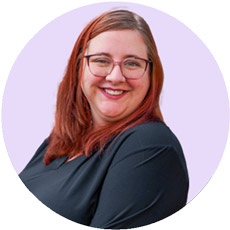
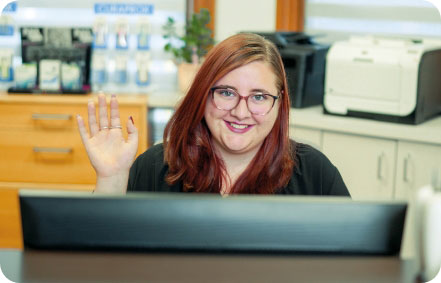
General dentist Dr. Simali Garach and every member of our Queen King Dental family are dedicated to enhancing the well-being of our patients, one smile at a time. Offering a wide range of preventive, restorative, cosmetic, and periodontal services, we strive to establish enduring relationships based on trust and mutual respect. We hold our patients in high esteem and prioritize their needs above all else. Call us today, and let's work together to prioritize your beautiful smile!









Have Insurance Questions?

Contact Us
Today
If you want to know more about us, our approach to dentistry, and how we can help you care for your smile, contact us today. Our friendly and knowledgeable staff is excited to get to know you better and help you reach your oral health goals!
Read Our Awesome Reviews
- Derek T
- Grace D
- James C