

Gum Grafting Ohsweken
Gum grafting is a surgical procedure that restores gum tissue to areas where the gums have receded, exposing tooth roots and creating aesthetic and functional concerns. If you live in or near Ohsweken and are considering this treatment, Queen King Dental in Hamilton provides expert surgical care in a patient-centered environment designed to minimize anxiety and maximize comfort.
1. Gum Recession Is More Common Than You Might Think
Gum recession occurs when the gum line moves downward, exposing the root surface of the tooth. This happens gradually in many patients and can result from aggressive brushing, periodontal disease, genetic predisposition, or occlusal forces from misaligned bite patterns. Residents of Ohsweken and surrounding areas often don't notice early recession until sensitivity or visual changes prompt a dental visit.
The root surface lacks the protective enamel layer that covers the crown of the tooth. Because the root is softer and more porous, exposed roots become sensitive to temperature and acidic foods. Untreated recession also increases your risk of root caries and structural integrity loss over time. Queen King Dental screens for recession during routine exams, catching it before it advances to stages requiring surgical intervention.
2. Multiple Graft Techniques Exist, Each With Distinct Advantages
Queen King Dental offers several graft methodologies tailored to your anatomy and clinical goals. The autograft technique, where tissue is harvested from your own palate, remains the gold standard because it uses living cells from your body with the highest success rate. An allograft uses donor tissue that has been processed and sterilized, eliminating the need for a second surgical site on your palate and reducing overall procedure time. Xenografts, derived from animal sources like porcine or bovine tissue, serve as a scaffold that your own cells colonize over time.
Your dentist at Queen King Dental will evaluate your recession depth, graft size requirements, and tissue quality to recommend the approach most likely to succeed in your case. Autografts typically show the best long-term stability, while allografts reduce discomfort by avoiding a palatal donor site. Each technique has a role depending on clinical circumstances. The choice is made during your consultation based on your specific needs.
3. The Procedure Itself Takes 1 to 2 Hours Per Site
Gum grafting begins with local anesthesia to numb both the graft donor site (if autograft) and the recipient site where recession has occurred. Your surgeon at Queen King Dental carefully measures the graft dimensions needed to cover the exposed root and extend slightly into healthy attached gingiva. The graft is secured using sutures or biocompatible adhesive, creating a stable junction that allows new blood vessels to form.
If multiple teeth require grafting, the procedure may be staged over separate appointments to manage healing and minimize post-operative discomfort. The entire appointment, including preparation and suturing, typically occupies 60 to 120 minutes. Queen King Dental uses advanced diagnostic imaging and surgical techniques to ensure precise graft placement and optimal blood supply, which directly correlates with healing success.
4. Healing Follows a Predictable Timeline With Clear Milestones
Immediately after grafting, the surgical site will be swollen and tender. Within 24 to 48 hours, post-operative swelling peaks and then gradually subsides over 7 to 10 days. Suture removal typically occurs 10 to 14 days post-surgery. During this initial phase, the graft remains fragile while new blood vessels establish connection-a critical process called neovascularization that determines final graft success.
By week 3 to 4, most acute discomfort resolves and the graft begins to mature. Complete tissue integration and maturation can take 4 to 6 weeks, though you'll notice significant improvement by week 3. Patients in Ohsweken can often return to light normal activities within a few days, though you must avoid the surgical area during eating and oral hygiene. Queen King Dental provides detailed post-operative instructions and is available for follow-up care to monitor your progress and address any concerns.
5. Root Coverage Success Depends on Strict Post-Operative Compliance
Your behavior during the healing phase directly impacts graft survival. You must avoid mechanical trauma-no brushing or flossing near the graft site for at least 2 weeks. Eat soft, cool foods; avoid hot, spicy, or hard items that might disturb the surgical site or trigger inflammation. Many patients find that antimicrobial rinses without alcohol help maintain oral hygiene without contacting the graft.
Smoking significantly impairs healing by reducing blood flow and increasing infection risk. Because Queen King Dental prioritizes patient outcomes, your surgical team will discuss all factors that could affect success. Graft failure typically results from graft movement or inadequate blood supply, both preventable through careful compliance. Your commitment to post-operative care instructions directly determines whether the graft integrates or requires revision.
6. Success Rates Are High When Performed by Experienced Surgical Teams
Autografts show success rates between 85 and 95 percent when proper surgical technique and post-operative care are maintained. Allografts perform comparably, though the graft may resorb slightly over time if not carefully integrated. Success is defined as stable graft take, root coverage of the previously exposed area, and restoration of normal contour and color. Some patients see minor regression of 1 to 2 millimeters over months, but major failures are uncommon in experienced hands.
Queen King Dental's surgical team includes dentists trained in periodontal and surgical techniques. Your graft outcome depends not only on surgical skill but also on your compliance, tissue characteristics, and realistic healing expectations. During your initial consultation, your surgeon can estimate your personalized success probability based on your specific clinical presentation.
7. Prevention of Future Recession Requires Modified Oral Hygiene and Bite Management
Gum grafting corrects current recession but does not change the underlying conditions that caused it. To protect your graft and prevent recession elsewhere, you must identify and address causative factors. If aggressive brushing contributed to recession, switch to a soft-bristled toothbrush and use gentle circular motions rather than horizontal scrubbing. If occlusal trauma from an uneven bite accelerated graft loss, your dentist may recommend equilibration or a night guard to redistribute bite forces.
Periodontal disease control is essential. Patients with active periodontal infection are at higher risk for future recession and graft failure. Regular professional cleanings, consistent home care, and management of any inflammatory conditions preserve both your graft and remaining natural gum tissue. Queen King Dental provides ongoing periodontal monitoring and education to help you maintain your results long-term.
If you're experiencing gum recession, exposed roots, or persistent sensitivity and you're in or near Ohsweken, contact Queen King Dental in Hamilton to discuss whether graft surgery is right for you. Our team will evaluate your specific situation, explain your options in clear terms, and help you make an informed decision about your care.
Frequently Asked Questions
What causes gum recession that might require grafting in Ohsweken?
Gum recession results from aggressive brushing, periodontal disease, genetic factors, or uneven bite forces that push gums downward over time. Early detection and treatment of these underlying causes can slow or prevent recession from worsening.
How long does it take to see final results after gum grafting?
Initial healing takes 2 to 4 weeks, but complete tissue maturation and final root coverage occur over 4 to 6 weeks. You'll notice significant improvement early, though the graft continues to strengthen and stabilize during this entire window.
Is gum grafting painful during or after the procedure?
The procedure itself is painless because local anesthesia numbs both sites. Post-operative discomfort is mild to moderate for the first few days and resolves quickly with proper pain management and ice application. Queen King Dental uses advanced comfort measures including weighted blankets and aromatherapy to support relaxation.
What is the difference between autograft and allograft tissue for gum grafting?
An autograft uses your own palatal tissue, offering the highest success rate but requiring a second surgical site. An allograft uses processed donor tissue, eliminating the palatal donor site and reducing overall procedure time, though success rates are slightly lower. Your surgeon will recommend the best option for your case.
Can I eat normally after gum grafting in Ohsweken?
You must eat soft, cool foods for the first 2 to 3 weeks to protect the graft from trauma. Avoid hot, hard, spicy, or sticky foods that might disturb the surgical site or cause bleeding. Your Queen King Dental team will provide a detailed dietary guide with your post-operative instructions.
What happens if my graft fails?
Graft failure is uncommon when surgical technique is sound and you follow post-operative instructions. If failure occurs, revision grafting can be performed, usually after 4 to 6 weeks of healing. Queen King Dental monitors your progress carefully to catch any issues early.
Whiten Your Smile … Virtually! Try It Now!
Get A Glimpse Of Our Care!
With our iTero intraoral scanner, our team can create incredibly precise, natural-looking, and durable crowns, bridges, implants, and more. Watch this video to learn more!
Ask Us About InLight Therapy!
Top Reasons We Could Be Perfect For You & Your Family

Proven Technology
Zoom Whitening
Tailored Care
Meet Our Doctor & Team
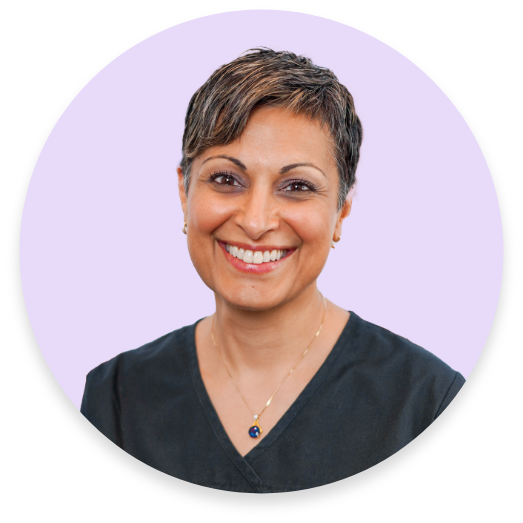
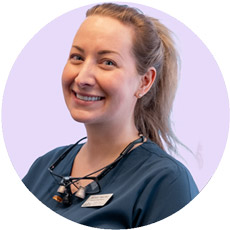
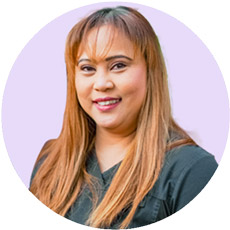
General dentist Dr. Simali Garach and every member of our Queen King Dental family are dedicated to enhancing the well-being of our patients, one smile at a time. Offering a wide range of preventive, restorative, cosmetic, and periodontal services, we strive to establish enduring relationships based on trust and mutual respect. We hold our patients in high esteem and prioritize their needs above all else. Call us today, and let's work together to prioritize your beautiful smile!











Have Insurance Questions?

Contact Us
Today
If you want to know more about us, our approach to dentistry, and how we can help you care for your smile, contact us today. Our friendly and knowledgeable staff is excited to get to know you better and help you reach your oral health goals!
Read Our Awesome Reviews
- Derek T
- Grace D
- James C