

Gum Grafting Carlisle
Gum grafting is a surgical procedure that restores gum tissue where recession has occurred, using healthy graft material to rebuild your gum line. If you live in Carlisle and are experiencing gum recession-where your gums have pulled back from your teeth, exposing the root surface-this treatment may be right for you. Queen King Dental offers this specialized oral surgery in a calm, comfortable environment designed to ease any anxiety you might feel about the procedure.
Gum recession is more common than many people realize, and it matters because exposed tooth roots become vulnerable to decay and sensitivity. The good news is that with modern surgical techniques and a team committed to patient comfort, gum grafting can restore your smile's appearance and protect your long-term dental health. Whether you're a Carlisle resident seeking to address this concern or simply want to understand your options, this guide will walk you through what the procedure involves and how it can help.
Understanding Gum Recession and Why Grafting Helps
Your gums naturally recede for several reasons. Aggressive brushing, gum disease, genetics, and even the natural aging process can all contribute to gum recession in Carlisle residents and patients everywhere. When your gums pull back, the softer root surface of your tooth becomes exposed-unlike the harder enamel crown of your tooth, roots cannot protect themselves from decay, temperature sensitivity, or bacterial attack.
This is where grafting becomes essential. Think of your gum tissue like a protective seal around your tooth. When that seal breaks down, you need to rebuild it. A graft takes healthy tissue-either from another area of your mouth or from a donor source-and carefully attaches it to the area where recession has occurred. Because the new tissue is living and vascularized (meaning it has its own blood supply once it heals), it integrates naturally with your existing gums and provides the same protective function you've lost.
At Queen King Dental, we understand that many Carlisle patients worry about discomfort during oral surgery. That's why we prioritize comfort through amenities like InLight Therapy, weighted blankets, and aromatherapy alongside professional anesthesia and surgical expertise. Your concerns matter, and we work to make the experience as calm as possible.
The benefits of addressing gum recession extend beyond comfort:
- Prevention of further tooth root exposure and decay
- Reduced tooth sensitivity to hot, cold, and touch
- Improved appearance of your smile by restoring a fuller gum line
- Protection of your tooth's structural integrity for the long term
- Peace of mind knowing you've addressed a progressive problem before it worsens
The Graft Procedure: What Happens Before, During, and After
The actual grafting procedure takes between thirty minutes to two hours, depending on how much gum tissue needs restoration and which grafting technique is used. Queen King Dental's experienced oral surgeons will explain your specific case and what to expect during your consultation.
Before your procedure, you'll receive local anesthesia to numb the surgical area. Some patients opt for additional sedation options, which we can discuss during your visit. During surgery, your dentist will either take a small amount of graft tissue from the roof of your mouth (called a palatal graft), use tissue from another source, or employ a technique that uses your own gum tissue from nearby areas. The graft is then carefully sutured into place over the area where recession has occurred, positioned to match your natural gum contours.
Recovery is gradual but manageable. Most patients experience mild discomfort that can be controlled with over-the-counter pain relief, though you should follow your surgeon's specific post-operative instructions. Here's what the typical recovery timeline looks like:
| Timeline | What to Expect |
|---|---|
| First 1-2 weeks | Avoid hard, hot, or spicy foods; gentle rinsing only; some swelling and mild oozing is normal |
| Weeks 2-4 | Sutures dissolve; gradual return to normal oral hygiene; avoid aggressive brushing at the surgical site |
| Months 2-3 | Most healing is complete; graft tissue integrates fully; return to all normal activities |
| Months 3-6 | Final maturation of graft tissue; full color and texture match with surrounding gums |
At Queen King Dental, we provide detailed aftercare instructions tailored to your situation. Because our team understands dental anxiety, we also make follow-up appointments easy to schedule and prioritize same-day concerns if you notice anything unusual during healing.
Caring for Your Graft and Preventing Future Recession in Carlisle
Your graft's success depends on how well you care for it during healing and beyond. This means being gentle with your surgical site, following your dentist's instructions precisely, and making changes to prevent further recession.
Prevention starts with your daily habits. Brush gently using a soft-bristled toothbrush and avoid aggressive scrubbing motions, which are a leading cause of gum recession. If you grind your teeth at night, ask Queen King Dental about a night guard-clenching and grinding accelerate gum recession over time. Floss daily but use a gentle technique; your gums will thank you. If you smoke, this is an excellent time to quit, as smoking significantly impairs gum healing and increases recession risk.
Gum disease is another major cause of recession. Because bacteria compromise gum attachment, managing your oral health through regular cleanings and professional care becomes even more important after grafting. Queen King Dental offers comprehensive family dental care and general dentistry services designed to keep your gums healthy long term. Regular check-ups allow us to catch problems early and keep your graft thriving.
Diet also plays a role during healing. Stick to soft foods for the first two to three weeks: smoothies, yogurt, mashed vegetables, and cooled soups are excellent choices. Avoid anything hot, hard, crunchy, or sticky that could disturb the surgical site. As healing progresses, you can gradually reintroduce normal foods, though always with awareness of your graft area.
Finally, manage stress and stay hydrated. Your body heals better when you're rested and well-nourished. If you notice any signs of infection-increasing pain, swelling that doesn't improve, or fever-contact Queen King Dental immediately. Emergency dental care is a priority for our team, and we make it easy to reach us when you need support.
If you're a Carlisle resident experiencing gum recession and want to explore whether grafting is right for you, Queen King Dental is here to help. Our team combines advanced surgical expertise with a genuine commitment to patient comfort and clear communication. We'll answer your questions, address your concerns, and develop a treatment plan that makes sense for your unique situation. Reach out to us to schedule a consultation and take the first step toward healthier, more confident gums.
Frequently Asked Questions
What causes gum recession?
Gum recession can result from aggressive brushing, gum disease, genetics, teeth grinding, smoking, and natural aging. Identifying the cause of your recession helps prevent it from worsening after grafting treatment.
How long does gum grafting take to heal?
Most healing occurs within four weeks, though full maturation of the graft tissue takes three to six months. You can return to normal eating and oral hygiene gradually as healing progresses, following your dentist's guidance.
Is gum grafting painful?
The procedure itself is not painful because you receive local anesthesia. You may experience mild discomfort during recovery, which is manageable with over-the-counter pain relief and proper aftercare as directed by your surgeon.
Are there different types of gum grafts?
Yes. Common types include autografts (tissue from your own mouth), allografts (donor tissue), and xenografts (tissue from another species). Your dentist will recommend the best option based on the extent of recession and your individual needs.
Can gum grafting be done in Carlisle?
Yes. Queen King Dental in Hamilton offers gum grafting and oral surgery services to patients throughout the region, including residents of Carlisle. We provide this procedure in a comfortable, anxiety-conscious environment.
How can I prevent gum recession after grafting?
Use a soft-bristled toothbrush with gentle technique, floss daily, manage gum disease through regular cleanings, wear a night guard if you grind your teeth, and avoid smoking. Regular dental check-ups help catch problems early.
What should I eat during recovery from gum grafting?
Stick to soft foods like yogurt, smoothies, mashed vegetables, and cooled soups for the first two to three weeks. Avoid anything hot, hard, crunchy, or sticky that could disturb the surgical site.
Whiten Your Smile … Virtually! Try It Now!
Get A Glimpse Of Our Care!
With our iTero intraoral scanner, our team can create incredibly precise, natural-looking, and durable crowns, bridges, implants, and more. Watch this video to learn more!
Ask Us About InLight Therapy!
Top Reasons We Could Be Perfect For You & Your Family

Proven Technology
Zoom Whitening
Tailored Care
Meet Our Doctor & Team
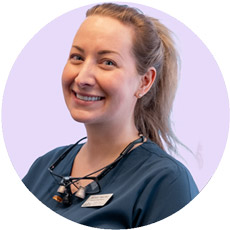
General dentist Dr. Simali Garach and every member of our Queen King Dental family are dedicated to enhancing the well-being of our patients, one smile at a time. Offering a wide range of preventive, restorative, cosmetic, and periodontal services, we strive to establish enduring relationships based on trust and mutual respect. We hold our patients in high esteem and prioritize their needs above all else. Call us today, and let's work together to prioritize your beautiful smile!















Have Insurance Questions?

Contact Us
Today
If you want to know more about us, our approach to dentistry, and how we can help you care for your smile, contact us today. Our friendly and knowledgeable staff is excited to get to know you better and help you reach your oral health goals!
Read Our Awesome Reviews
- Derek T
- Grace D
- James C