

Gum Grafting Campden
Gum grafting in Campden is a surgical procedure that restores gum tissue lost to recession, disease, or trauma by taking healthy gum from one area of your mouth and securing it where gums have receded. At Queen King Dental in Hamilton, we understand that gum recession affects not only your appearance but also your tooth health and comfort. Whether you live in Campden or the surrounding communities, our experienced surgical team is equipped to perform this procedure with the precision and care your mouth deserves.
1. Gum Recession Is More Common Than You Think
Gum recession occurs when the gum tissue pulls away from the tooth, exposing the root surface. This affects roughly one in three adults, though the severity varies widely. In Campden and nearby areas, we see patients experiencing recession for different reasons: aggressive brushing, periodontal disease, grinding or clenching, tobacco use, or simply genetics.
When gums recede, the exposed root becomes vulnerable to decay and sensitivity. You may notice your teeth look longer, or you might feel sharp discomfort when drinking cold beverages. Queen King Dental screens for gum recession during routine checkups and can recommend treatment before the problem progresses.
2. There Are Several Graft Techniques, Each With Specific Advantages
The type of graft your dentist recommends depends on how much tissue is needed and where it will come from. The three main techniques differ in their approach and outcomes:
- Connective tissue graft - tissue taken from beneath the roof of your mouth and placed at the recession site. This is the most predictable method for significant recession.
- Free gingival graft - a small piece of tissue removed directly from the roof of your mouth and sutured to the recessed area. Best for areas needing thicker gums.
- Pedicle graft - tissue taken from gum beside the tooth and partially detached, then pulled over the recession site while keeping one edge attached. This method has excellent blood supply.
Queen King Dental evaluates your specific situation and discusses which approach will give you the best functional and aesthetic result. Our surgical expertise means you receive the most appropriate technique, not simply the most common one.
3. Recovery Takes Weeks, Not Days, But Discomfort Is Manageable
You should expect the first week to involve mild to moderate tenderness at both the donor and graft sites. Swelling typically peaks around day two or three, then gradually subsides over the following two weeks. Most patients report that discomfort is less severe than they anticipated.
Full healing of the graft takes about three to four weeks, but the underlying bone integration and remodeling continues for several months before final results are visible.
During recovery, your diet will be restricted to soft foods, and you'll need to avoid disturbing the graft site when cleaning your teeth. Queen King Dental provides detailed aftercare instructions and is available if you have questions during healing. Many of our Campden patients find that planning the procedure during a time when they can rest at home makes the recovery phase smoother.
4. Success Rates Are High When You Follow Postoperative Care
Graft success depends substantially on how well you follow postoperative instructions and maintain good oral hygiene once healed. Success rates range from 85 to 90 percent when patients adhere to care protocols and avoid behaviors that caused recession in the first place.
Key factors influencing outcome include avoiding the graft site when brushing (we recommend a soft toothbrush), not smoking, managing stress-related grinding, and attending follow-up appointments. If you previously used aggressive brushing technique, Queen King Dental will coach you on gentler methods to prevent future recession. Our team monitors healing closely and adjusts care recommendations based on how your specific graft is progressing.
5. Prevention After Grafting Matters as Much as the Surgery Itself
The graft restores tissue, but it does not change the factors that caused recession. Patients in Campden who ignore the underlying causes face the possibility of recurrence in the same area or recession developing elsewhere.
Effective prevention includes using a soft-bristled toothbrush, brushing gently, managing grinding habits (a night guard helps), quitting tobacco if applicable, and maintaining consistent oral hygiene and professional cleanings. If gum disease contributed to your recession, treating that infection becomes essential. Queen King Dental addresses the root cause, not just the symptom, so you get lasting results. When you choose to have this procedure, you're committing to a healthier approach to oral care that protects your investment and your smile for years ahead.
If you're experiencing gum recession or have concerns about graft treatment, Queen King Dental welcomes you to discuss your options. Our Hamilton practice serves patients from Campden and throughout the region with the same focus on comfort, advanced technique, and personalized care. Reach out to learn whether grafting is right for you and what your recovery and results might look like.
Frequently Asked Questions
How much does gum grafting cost in Campden?
Graft costs vary based on the extent of recession, the technique used, and whether multiple areas need treatment. Queen King Dental provides a detailed estimate during your consultation after examining your mouth and discussing your goals. Contact us to schedule an assessment and receive pricing tailored to your specific needs.
Is gum grafting painful?
The procedure itself is performed under local anesthesia, so you feel pressure and vibration but not sharp pain. After the anesthetic wears off, expect mild to moderate tenderness for the first few days, which can be managed with prescribed or over-the-counter pain relief. Most patients find discomfort far less severe than anticipated.
Can gum recession come back after grafting?
Recurrence is possible if the factors that caused the original recession persist or return. A successful graft addresses the tissue loss, but you must manage the underlying cause-whether that is brushing technique, grinding, disease, or tobacco use. Queen King Dental helps you understand and prevent these factors to protect your graft long-term.
How long does it take to see final results from a gum graft?
The graft stabilizes and begins integrating within the first three to four weeks, but complete healing and remodeling takes several months. Final results, including mature appearance and maximum stability, are typically visible after three to six months. Your Queen King Dental surgeon will monitor progress at follow-up visits.
Whiten Your Smile … Virtually! Try It Now!
Get A Glimpse Of Our Care!
With our iTero intraoral scanner, our team can create incredibly precise, natural-looking, and durable crowns, bridges, implants, and more. Watch this video to learn more!
Ask Us About InLight Therapy!
Top Reasons We Could Be Perfect For You & Your Family

Proven Technology
Zoom Whitening
Tailored Care
Meet Our Doctor & Team
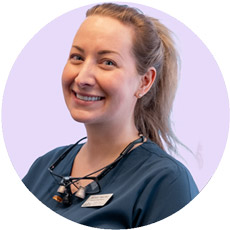
General dentist Dr. Simali Garach and every member of our Queen King Dental family are dedicated to enhancing the well-being of our patients, one smile at a time. Offering a wide range of preventive, restorative, cosmetic, and periodontal services, we strive to establish enduring relationships based on trust and mutual respect. We hold our patients in high esteem and prioritize their needs above all else. Call us today, and let's work together to prioritize your beautiful smile!















Have Insurance Questions?

Contact Us
Today
If you want to know more about us, our approach to dentistry, and how we can help you care for your smile, contact us today. Our friendly and knowledgeable staff is excited to get to know you better and help you reach your oral health goals!
Read Our Awesome Reviews
- Derek T
- Grace D
- James C