

Gum Grafting Burlington
Gum grafting in Burlington is a surgical procedure that replaces tissue where the gum line has receded, exposing the root surface of a tooth. Queen King Dental in Hamilton offers this restorative service to patients throughout Burlington and the surrounding region who are experiencing gum recession and need a solution that prevents further damage while improving appearance and comfort.
1. Gum Recession Happens Gradually and Has Clear Causes
Gum recession occurs when the gum tissue pulls back from the tooth surface, exposing the root. This happens over time through a combination of factors: aggressive brushing, periodontal disease, genetic predisposition to thin gums, or trauma to the area. Patients often do not notice it until they see a visible change in their smile or experience sensitivity when eating or drinking cold foods.
Burlington residents who brush too hard or have a history of gum disease are at higher risk. The recession itself is not reversible through home care alone, which is why professional evaluation matters. Queen King Dental's diagnostic approach identifies the extent of recession early, before additional tooth root becomes exposed and the problem worsens.
2. Untreated Gum Recession Leads to Tooth Loss and Sensitivity
When gum tissue recedes, the exposed root surface becomes vulnerable. Unlike the crown of the tooth, which is protected by enamel, the root is covered only in cementum-a softer material that wears away easily. This exposure creates two serious problems: bacterial infection can reach the root and supporting bone, and the tooth loses structural support over time.
Sensitivity is often the first symptom patients notice. The exposed root reacts to temperature changes, causing discomfort or pain. Without intervention, recession continues, and teeth can eventually loosen and be lost. Queen King Dental's surgical approach stops this progression by restoring the protective tissue barrier and strengthening the tooth's foundation.
Gum grafting addresses the root cause of recession, not just the symptom. It prevents future tooth loss and eliminates sensitivity by re-establishing the gum tissue that protects the root surface.
3. Three Graft Materials Exist, Each With Different Outcomes
The graft material comes from one of three sources: tissue from your own palate (autograft), tissue from a donor source (allograft), or a laboratory-manufactured substitute (xenograft or alloplast). Each has distinct advantages. An autograft uses your own tissue, which integrates most reliably and has the highest success rate, typically 90 to 95 percent. However, it requires two surgical sites-the donor area in the roof of your mouth and the recipient site where the graft is placed. Recovery is longer and post-operative discomfort is greater because both areas must heal.
Donor tissue and synthetic materials eliminate the need for a second surgical site, reducing overall recovery time and discomfort. These options work well for patients who are anxious about surgery or have limited time for healing. The trade-off is a slightly lower integration rate and the potential need for additional treatment later. Queen King Dental discusses these options candidly with patients in Burlington, weighing individual healing capacity, aesthetic goals, and comfort level to recommend the most suitable approach.
4. Recovery Takes 2 to 3 Weeks, With Clear Milestones
The first week after grafting is critical. The graft site must remain undisturbed to allow tissue integration. Patients receive detailed post-operative instructions: avoid brushing or flossing the grafted area, rinse gently with prescribed antimicrobial solution, and eat soft foods. Discomfort is typically mild to moderate and managed with over-the-counter or prescribed pain relief. Swelling peaks around day three and then subsides.
By week two, most patients return to normal activities. The graft site begins to show signs of healing, and sensitivity diminishes as new tissue establishes itself. Full integration and strengthening of the graft continue over three to four months. Queen King Dental prioritizes patient comfort throughout this phase, offering guidance on managing anxiety about the healing process and ensuring patients understand what constitutes normal recovery versus a concern that requires follow-up.
5. Success Rates Are High When Post-Operative Care Is Followed
Studies consistently show that autografts succeed at rates between 90 and 95 percent when patients adhere to post-operative instructions. Allograft and synthetic materials succeed at rates between 75 and 90 percent, depending on the specific material and the patient's healing biology. The critical factor is not the material alone-it is what happens in the first two to three weeks after surgery.
Patients who protect the graft site, avoid trauma, keep the area clean without disturbing it, and attend follow-up appointments have the highest success rates. Queen King Dental's team provides clear, written instructions and remains available for questions during recovery. For patients with dental anxiety, this level of clear communication reduces stress about whether they will do something wrong, making the entire experience more manageable.
6. Grafting Works Best When Paired With Improved Oral Habits
A graft restores lost tissue, but it cannot succeed if the habits that caused the recession continue. Patients must adopt gentler brushing techniques, use a soft-bristled toothbrush, and manage any underlying periodontal disease. For Burlington residents with aggressive brushing habits, retraining is as important as the surgical procedure itself.
Queen King Dental provides education on proper technique and may recommend professional cleanings on a schedule tailored to each patient's needs. If gum disease contributed to the recession, treating that disease first ensures the graft has the best chance of success. This integrated approach-surgery plus behavioral change-delivers lasting results and prevents new recession in other areas of the mouth.
7. Cosmetic Improvements Often Equal or Exceed Functional Benefits
Beyond stopping sensitivity and preventing tooth loss, grafting restores the appearance of the gum line. Recessed gums can make teeth appear longer and give the smile an aged or uneven look. After grafting, the gum line becomes fuller and more symmetrical, improving smile aesthetics significantly. Many patients find that the cosmetic improvement is as motivating as the functional relief.
Queen King Dental's approach to cosmetic dentistry extends to surgical procedures. The team understands that patients seeking this service in Burlington care about how their smile looks as much as how it feels. Graft placement is planned to create a natural appearance that matches the surrounding tissue, not a noticeable repair. Combined with services like clear aligners in Burlington and professional teeth whitening, grafting becomes part of a comprehensive approach to a healthier, more confident smile.
If you are experiencing gum recession, sensitivity, or concerns about the appearance of your gum line, Queen King Dental is here to help. The team specializes in creating a calm, comfortable environment for patients-especially those with dental anxiety-and offers the advanced diagnostics and surgical expertise needed for successful outcomes. Contact Queen King Dental to schedule a consultation and discuss whether grafting is right for you.
Frequently Asked Questions
How much does gum grafting cost in Burlington?
Cost varies based on the extent of recession, the graft material chosen, and the number of teeth requiring treatment. Queen King Dental provides a detailed estimate after evaluation, taking into account whether the procedure qualifies for insurance coverage. Contact the clinic directly for pricing specific to your situation.
Is gum grafting painful during and after the procedure?
The area is numbed with local anesthetic before surgery, so you should not feel pain during the procedure-only pressure and vibration. After surgery, discomfort is typically mild to moderate and managed with over-the-counter or prescribed pain relief. Queen King Dental's focus on patient comfort, including options like weighted blankets and aromatherapy, helps reduce anxiety before and during the procedure.
Can I get gum grafting if I have dental anxiety?
Yes. Queen King Dental specializes in treating anxious patients with a calm, supportive environment featuring InLight Therapy(R), weighted blankets, and compassionate staff. Discuss your anxiety during consultation so the team can plan the procedure and recovery support around your comfort level.
Whiten Your Smile … Virtually! Try It Now!
Get A Glimpse Of Our Care!
With our iTero intraoral scanner, our team can create incredibly precise, natural-looking, and durable crowns, bridges, implants, and more. Watch this video to learn more!
Ask Us About InLight Therapy!
Top Reasons We Could Be Perfect For You & Your Family

Proven Technology
Zoom Whitening
Tailored Care
Meet Our Doctor & Team
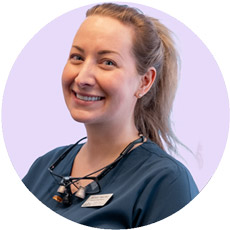
General dentist Dr. Simali Garach and every member of our Queen King Dental family are dedicated to enhancing the well-being of our patients, one smile at a time. Offering a wide range of preventive, restorative, cosmetic, and periodontal services, we strive to establish enduring relationships based on trust and mutual respect. We hold our patients in high esteem and prioritize their needs above all else. Call us today, and let's work together to prioritize your beautiful smile!















Have Insurance Questions?

Contact Us
Today
If you want to know more about us, our approach to dentistry, and how we can help you care for your smile, contact us today. Our friendly and knowledgeable staff is excited to get to know you better and help you reach your oral health goals!
Read Our Awesome Reviews
- Derek T
- Grace D
- James C