


Guided Implants Troy
Guided implant surgery uses computer-aided planning and surgical templates to place dental implants with submillimeter precision, reducing healing time and improving long-term outcomes compared to traditional freehand placement. If you are looking at implant options in Troy or the wider Hamilton region, understanding how guided implant technology works and how it compares to conventional methods will help you make an informed decision about your dental health.
At Queen King Dental in Hamilton, we use advanced diagnostic imaging and treatment planning to ensure your implant experience is as precise, comfortable, and successful as possible. Whether you live in Troy, Ancaster, or elsewhere in the surrounding area, we focus on personalized care that acknowledges your concerns and respects your time.
How Guided Implant Surgery Works
Guided implant placement begins with a digital scan of your jaw using cone-beam computed tomography (CBCT) or similar imaging. Our team at Queen King Dental uses this data to plan the exact angle, depth, and position of each implant before your procedure ever begins. A surgical template is then created to guide the drill and implant placement during surgery.
This approach differs fundamentally from traditional implant surgery, where the dentist or oral surgeon relies on visual landmarks and manual judgment. Because the path is predetermined and constrained by the surgical guide, the implant goes in at the planned angle and depth every time. For patients with dental anxiety or phobia, this precision-driven method often reduces procedure time and post-operative discomfort, which are two major sources of worry.
The technology also protects critical structures such as the inferior alveolar nerve and maxillary sinus, making guided surgery especially valuable in cases where anatomy is complex or bone volume is limited.
Guided Implants Troy Versus Traditional Implant Placement
The most meaningful difference between guided and traditional methods is predictability. Traditional freehand placement depends on the surgeon's experience and intraoperative decision-making; guided placement removes much of that variability by anchoring every step to a pre-made plan.
| Factor | Guided Implant Surgery | Traditional Freehand Surgery |
|---|---|---|
| Planning | Computer-modeled before surgery | Determined during surgery |
| Precision | Within 1 mm or less | Varies by surgeon skill |
| Surgical time | Often shorter | Typically longer |
| Bone removal | Minimal; precisely calculated | More conservative estimate needed |
| Post-operative swelling | Often reduced | Variable |
| Initial cost | Higher due to imaging and template | Lower upfront |
Neither method is universally "better" in every situation. Guided surgery shines when anatomy is complex, when multiple implants need coordinated placement, or when the patient values minimized trauma and faster healing. Traditional surgery remains appropriate for straightforward single-tooth cases or when a patient's budget is the primary constraint.
Who Benefits Most From Guided Implant Technology
Patients with limited bone volume, severe bite problems, or previous implant failures are prime candidates because guided planning allows surgeons to use available bone with maximum efficiency. People with dental phobia also benefit significantly; the shorter procedure time and reduced tissue trauma lead to less post-operative pain and swelling, which reinforces confidence in future dental care.
Troy residents and patients across Hamilton who want cosmetic implant outcomes also choose guided surgery because it positions the implant for optimal crown aesthetics and gum contours from the start. The precision ensures that the crown sits at the right angle and height, avoiding the need for revision later.
Additionally, if you are having multiple implants placed at once-for example, to support a bridge or denture-guided surgery keeps all implants parallel and properly spaced, which is difficult to achieve with freehand placement.
What to Expect During Your Guided Implant Journey at Queen King Dental
Your first visit includes a thorough examination and advanced diagnostic imaging using our iTero digital scanners and CBCT technology. Dr. Larry Levin or Dr. Kim Kwon will review your goals and medical history, then explain whether guided surgery is appropriate for your case.
If you proceed, we create a detailed surgical plan using your imaging data. You will see a preview of implant placement before the procedure, which gives you confidence and clarity. On surgery day, you benefit from our clinic's comfort-focused amenities: InLight Therapy(R) to reduce anxiety, weighted blankets, aromatherapy, and a calm environment designed to minimize stress.
The guided procedure itself typically takes 30 to 60 minutes per implant, depending on complexity. Because the template directs every step, there is less probing and adjustment during surgery, which translates to less tissue damage and faster healing. Most patients report minimal discomfort in the days following surgery.
After implant placement, we provide clear post-operative instructions and same-day availability for any concerns. We schedule follow-up appointments to monitor healing and begin crown fabrication once integration is complete.
Is Guided Implant Surgery Right For You?
Guided implant technology is not necessary for every patient, but it is invaluable when precision, bone conservation, and comfort are priorities. The upfront cost is higher than traditional surgery, but many patients view this as an investment in durability, aesthetics, and a positive experience that motivates them to maintain their dental health long-term.
The evidence supports guided surgery outcomes: studies consistently show shorter healing times, lower complication rates, and higher crown fit accuracy compared to freehand placement. If you are anxious about implants, have complex anatomy, or are investing in your smile, guided surgery often justifies the additional expense.
If you live in Troy or nearby areas of Hamilton and are considering dental implants, we encourage you to schedule a consultation with Queen King Dental. We will assess your bone, bite, and goals, then discuss whether guided implant surgery makes sense for your situation. There is no pressure to choose a particular method-our job is to give you accurate information, address your concerns, and help you feel confident about your decision. Contact us to arrange your appointment and learn more about how we can restore your smile with precision and care.
Frequently Asked Questions
How long does guided implant surgery take?
Guided implant placement typically takes 30 to 60 minutes per implant, depending on bone quality and implant complexity. Because the surgical template directs the procedure, there is less time spent adjusting and planning during surgery compared to traditional freehand placement.
Is guided implant surgery more expensive than traditional implants?
Yes, guided surgery has a higher upfront cost because it includes advanced imaging, computer planning, and custom surgical template fabrication. However, many patients find the investment worthwhile due to reduced healing time, lower complication risk, and superior aesthetic outcomes.
Are guided implants better for patients with dental anxiety?
Guided surgery can be especially beneficial for anxious patients because it typically reduces procedure time and post-operative swelling, leading to less pain and faster healing. Shorter appointments and predictable outcomes often boost patient confidence in dental care.
How much does guided implant surgery cost in Troy?
Pricing varies based on bone quality, number of implants, and whether additional procedures like bone grafting are needed. Queen King Dental provides personalized cost estimates during your consultation after reviewing your imaging and treatment plan.
Can guided implants be used for multiple teeth?
Yes, guided surgery is particularly effective for placing multiple implants because it ensures all implants are parallel, properly spaced, and coordinated for bridges or denture support. This precision is harder to achieve with traditional freehand surgery.
What happens if I have limited bone? Can guided implants help?
Guided planning allows surgeons to use available bone with maximum efficiency, positioning the implant at the optimal angle and depth for your anatomy. This makes guided surgery especially valuable for patients with bone loss or complex anatomy who might otherwise need bone grafting.
Do guided implants heal faster than traditional implants?
Guided surgery typically results in shorter healing times because the procedure is more efficient and causes less tissue trauma. However, implant integration (osseointegration) takes the same amount of time regardless of placement method, usually 3 to 6 months.
Whiten Your Smile … Virtually! Try It Now!
Get A Glimpse Of Our Care!
With our iTero intraoral scanner, our team can create incredibly precise, natural-looking, and durable crowns, bridges, implants, and more. Watch this video to learn more!
Ask Us About InLight Therapy!
Top Reasons We Could Be Perfect For You & Your Family

Proven Technology
Zoom Whitening
Tailored Care
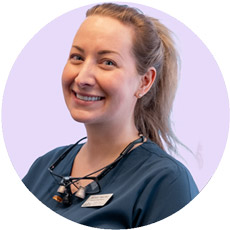
Meet Our Doctor & Team
General dentist Dr. Simali Garach and every member of our Queen King Dental family are dedicated to enhancing the well-being of our patients, one smile at a time. Offering a wide range of preventive, restorative, cosmetic, and periodontal services, we strive to establish enduring relationships based on trust and mutual respect. We hold our patients in high esteem and prioritize their needs above all else. Call us today, and let's work together to prioritize your beautiful smile!















Have Insurance Questions?

Contact Us
Today
If you want to know more about us, our approach to dentistry, and how we can help you care for your smile, contact us today. Our friendly and knowledgeable staff is excited to get to know you better and help you reach your oral health goals!
Read Our Awesome Reviews
- Derek T
- Grace D
- James C