

Guided Implants Canfield
Guided implant surgery is a computer-assisted dental procedure that uses 3D imaging and surgical templates to place dental implants with submillimeter precision in Canfield and the surrounding Hamilton region.
At Queen King Dental, we use advanced diagnostic technology including iTero digital scanners and guided surgical protocols to plan and execute implant placement that prioritizes both accuracy and your comfort. This approach reduces surgical time, minimizes trauma to bone and tissue, and delivers predictable outcomes for patients seeking to restore missing teeth with a permanent solution.
By the end of this guide, you will understand how the guided implant process unfolds at our practice, what technology makes it safer and more precise than traditional freehand implant placement, and why patients in Canfield and Hamilton choose this method for their implant dentistry.
Step 1: Advanced Imaging and Treatment Planning
Your guided implant journey begins with a comprehensive 3D scan of your jaw, teeth, and bone structure. At Queen King Dental, we acquire this data using cone beam computed tomography (CBCT) or partner imaging protocols that capture the exact dimensions, density, and anatomy of your jawbone. This scan is merged with digital models of your teeth and bite alignment to create a complete surgical map.
During this planning phase, our experienced dentists-including Dr. Larry Levin and Dr. Kim Kwon-use specialized software to identify the optimal position, angle, and depth for your implant. We consider bone volume, proximity to nerves and sinuses, and your bite mechanics to design a placement that will support a natural-looking, functional restoration. This step typically takes one to two weeks and results in a surgical guide-a custom template that will direct the drill and implant body during surgery.
Step 2: Surgical Guide Fabrication and Pre-Operative Briefing
Once your plan is finalized, the surgical guide is manufactured using 3D printing or milling technology to match your anatomy with precision. This guide fits over your teeth or bone and contains sleeves that direct the drill bit and implant placement instruments along the exact trajectory planned in the digital model. Before your surgery, Queen King Dental provides a detailed consultation to review your plan, answer questions, and address any concerns about the procedure or your comfort during treatment.
We explain how the guide works, what you will feel during surgery, and what recovery will look like. Because our clinic prioritizes patient comfort, we discuss sedation options-including nitrous oxide and oral sedation-weighted blankets, aromatherapy, and InLight Therapy to help you relax throughout the procedure. We also confirm your medical history, current medications, and any dental anxiety so we can tailor the experience to your needs. Same-day appointments for surgical consultation and imaging are available for patients in Canfield who need timely care.
Step 3: Guided Surgical Placement and Implant Integration
On surgery day, the guided implant procedure begins with local anesthesia and your chosen comfort measures. The surgical guide is positioned and secured in your mouth. The dentist then uses the guide's sleeves to drill the implant site at the exact angle, depth, and location determined during planning. Because the guide constrains the drill path, the surgeon works with confidence and speed-most guided placements take 20 to 40 minutes per implant, significantly faster than freehand techniques.
Once the site is prepared, the implant body is placed into the bone using the guide to ensure perfect positioning. The implant is then left to integrate with your bone over a period of three to six months-a process called osseointegration. During this time, your jaw heals and the implant becomes anchored as firmly as a natural tooth root. Queen King Dental provides post-operative care instructions, pain management, and follow-up visits to monitor healing. We schedule emergency appointments if any concerns arise during recovery, and we are available to answer questions throughout the integration period.
Key advantages of guided implant placement include:
- Reduced surgical time and trauma to surrounding bone and soft tissue
- Improved implant positioning for better long-term function and esthetics
- Lower risk of nerve or sinus involvement due to precise pre-operative planning
- Faster recovery and less post-operative swelling and discomfort
- Higher implant success rates compared to conventional freehand placement
After osseointegration is complete, we place an abutment (a connector piece) and fabricate a custom crown, bridge, or denture to restore your bite. The entire process from imaging to final restoration typically spans four to eight months, depending on bone healing and any additional procedures needed.
If you are living in Canfield or nearby areas of Hamilton and are interested in learning whether guided implant surgery is right for you, Queen King Dental invites you to schedule a consultation. We will review your imaging, discuss your goals, and explain how this advanced approach can restore your smile with precision and comfort. Contact us to book your appointment and take the first step toward a permanent implant restoration.
Frequently Asked Questions
How much does guided implant surgery cost in Canfield?
Cost varies based on bone condition, number of implants, and whether additional procedures like bone grafting are needed. Queen King Dental provides a detailed cost estimate after your consultation and imaging. Contact us for a personalized quote.
How long does guided implant placement take?
The surgical placement itself typically takes 20 to 40 minutes per implant. The entire timeline from initial scan to final crown placement is usually four to eight months, including bone healing and integration time.
Is guided implant surgery painful?
No. Local anesthesia numbs the surgical site completely, so you feel pressure but not pain. Queen King Dental offers sedation options, weighted blankets, and aromatherapy to keep you comfortable throughout the procedure.
Can Queen King Dental do guided implants for patients with low bone density?
If your jaw bone is too thin or soft, we may recommend bone grafting before implant placement to ensure a stable foundation. The 3D imaging during planning reveals exactly how much bone you have and whether additional preparation is needed.
Whiten Your Smile … Virtually! Try It Now!
Get A Glimpse Of Our Care!
With our iTero intraoral scanner, our team can create incredibly precise, natural-looking, and durable crowns, bridges, implants, and more. Watch this video to learn more!
Ask Us About InLight Therapy!
Top Reasons We Could Be Perfect For You & Your Family

Proven Technology
Zoom Whitening
Tailored Care
Meet Our Doctor & Team
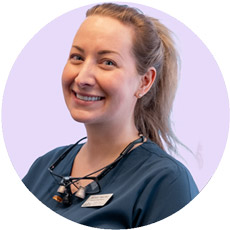
General dentist Dr. Simali Garach and every member of our Queen King Dental family are dedicated to enhancing the well-being of our patients, one smile at a time. Offering a wide range of preventive, restorative, cosmetic, and periodontal services, we strive to establish enduring relationships based on trust and mutual respect. We hold our patients in high esteem and prioritize their needs above all else. Call us today, and let's work together to prioritize your beautiful smile!















Have Insurance Questions?

Contact Us
Today
If you want to know more about us, our approach to dentistry, and how we can help you care for your smile, contact us today. Our friendly and knowledgeable staff is excited to get to know you better and help you reach your oral health goals!
Read Our Awesome Reviews
- Derek T
- Grace D
- James C