

Dental Bone Graft Selkirk
A dental bone graft in Selkirk is a procedure that rebuilds jawbone volume where bone loss has occurred, creating a stable foundation for dental implants or other restorative work. Queen King Dental offers this advanced surgical service to Selkirk residents and surrounding areas, alongside comprehensive implant and restorative care. If you have lost teeth or bone density due to extraction, periodontal disease, or trauma, understanding your graft options is essential to making an informed decision about your dental future.
Why Selkirk Patients Need Bone Grafts
Selkirk is a community of families and working professionals who deserve straightforward answers about their dental health. Bone loss is common after tooth loss because the jawbone naturally resorbs when the tooth root that once stimulated it is gone. Over months and years, this loss can become substantial enough to prevent implant placement. Other causes include gum disease, failed previous implants, or injuries.
The practical consequence is clear: without sufficient bone, you cannot anchor a dental implant securely. Queen King Dental evaluates bone volume using advanced iTero digital scanners and other diagnostic tools to determine whether grafting is necessary before implant surgery. This assessment is honest and thorough, designed to set realistic expectations from the start.
Selkirk patients often feel anxious about surgical procedures. Queen King Dental addresses this directly through amenities including weighted blankets, aromatherapy, and InLight Therapy, creating a calm environment before, during, and after your procedure. This focus on comfort does not diminish clinical precision-it enhances it by allowing you to relax and trust the care you receive.
Bone Graft Options: Autograft, Allograft, and Xenograft
Dental bone grafts come in three main types, each with distinct advantages and trade-offs. Your choice depends on the volume of bone needed, your healing timeline, personal preference, and clinical assessment by your surgeon.
| Graft Type | Source | Healing Time | Cost Consideration | Best For |
|---|---|---|---|---|
| Autograft | Your own bone (usually chin or hip) | 3-6 months | Moderate to higher | Large defects; fastest integration |
| Allograft | Processed human cadaver bone | 4-8 months | Moderate | Medium defects; avoids second surgery |
| Xenograft | Animal-derived (usually bovine) | 4-9 months | Moderate | Smaller defects; scaffold function |
Autograft uses bone from your own body, most commonly harvested from the chin or posterior mandible through a separate surgical site. Because the graft material is living and contains your own cells, it integrates fastest and has the highest success rate-typically 95 percent or better for implant stability after healing. The trade-off is a second surgical site and longer overall treatment time. This option suits Selkirk patients who prioritize the most reliable long-term outcome and are willing to manage two healing areas. Queen King Dental performs this procedure with careful attention to minimizing discomfort and optimizing recovery.
Allograft uses processed bone from a tissue bank. It has been sterilized and treated to remove cellular material while preserving the mineral scaffold that guides new bone formation. Because it comes from another human source, your body recognizes it as bone rather than foreign material, and integration proceeds steadily. Allograft eliminates the need for a second surgical site, reducing overall trauma and recovery burden. Healing typically takes 4 to 8 months, slightly longer than autograft. Many Selkirk patients choose this option because it simplifies the surgical visit and provides dependable results without additional bone harvesting.
Xenograft is derived from animal bone, most often bovine (cow), and processed to retain mineral structure while removing cellular components. It acts as a scaffold onto which your own bone cells migrate and grow. Xenograft is particularly useful for smaller or localized defects and offers excellent handling characteristics during surgery. Integration may take slightly longer than allograft, but success rates remain high. This option often appeals to patients seeking a straightforward single-site procedure with predictable healing.
The choice between graft types should be based on the volume of bone loss, your healing timeline, and your comfort with the surgical approach-not on cost alone. A thorough diagnostic assessment before surgery prevents surprises during recovery.
Recovery, Timeline, and What Happens After Your Graft in Selkirk
Bone graft recovery varies by type and individual healing capacity, but a realistic timeline helps set expectations. Most patients experience 7 to 14 days of noticeable swelling and sensitivity. Pain is typically managed with prescribed or over-the-counter medication and is mild to moderate rather than severe. By two weeks, swelling begins to resolve, and most people return to light activities.
The critical phase occurs over the next 3 to 9 months as your own bone cells populate and integrate the graft material. During this time, the surgical site must be protected from pressure and disturbance. Avoid chewing on the grafted side, smoking (which significantly impairs healing), and strenuous exercise. Your dentist at Queen King Dental will schedule follow-up visits to monitor healing and confirm bone maturation through imaging.
Once the graft has fully integrated-typically confirmed through clinical examination and imaging-your jaw is ready for dental implant placement. This second major procedure follows 6 to 12 weeks later, depending on the graft type and your individual bone response. From implant placement to final crown delivery, expect another 4 to 6 months. Total treatment from initial graft to restored tooth usually spans 9 to 15 months, but the result is a functional, natural-looking tooth anchored in stable bone.
Queen King Dental manages this extended timeline with compassion. Patients understandably feel frustration at the length of treatment, but each stage serves a purpose. The team emphasizes what is happening beneath the surface-real bone formation-rather than focusing on the wait. Regular communication, clear milestones, and the calm clinical environment help Selkirk patients stay confident and engaged through each phase.
If you are considering a bone graft or have been told you need one, reach out to Queen King Dental to discuss your specific situation. The dentists and surgical team will review your imaging, explain which graft type makes sense for your case, and answer your questions in detail. You deserve clarity and comfort as you move forward with this important decision.
Frequently Asked Questions
How long does bone graft healing take in Selkirk?
Healing timelines range from 3 to 9 months depending on graft type and your individual healing response. Autografts typically integrate fastest (3-6 months), while allografts and xenografts may take 4-9 months. Your dentist will monitor progress through follow-up visits and imaging to confirm when bone is mature enough for implant placement.
What is the difference between autograft and allograft bone?
An autograft uses your own bone harvested from another site (usually the chin), offering the fastest healing and highest integration rates but requiring a second surgical site. An allograft uses processed human cadaver bone, eliminating the need for bone harvesting and reducing overall surgical trauma, though integration may take slightly longer.
Do I need a bone graft before every dental implant?
Not every implant requires a bone graft. Queen King Dental performs digital imaging to assess your jawbone volume before implant surgery. Grafting is necessary only when bone loss is significant enough to prevent stable implant placement. If your bone is adequate, implant placement can proceed without grafting.
Is bone graft surgery painful?
Most patients experience mild to moderate discomfort managed with medication rather than severe pain. Swelling is typical for 7-14 days. Queen King Dental uses amenities like weighted blankets and aromatherapy to keep you calm before and after the procedure, and the surgical team prioritizes minimizing trauma.
Can I get a bone graft and implant at the same time?
Simultaneous graft and implant placement (called immediate implantation) is possible in select cases with adequate remaining bone. However, most situations require a staged approach where the graft heals first (3-9 months), then the implant is placed once bone is fully mature. Your surgeon will determine the best approach for your case.
How much does a bone graft cost near Selkirk?
Cost varies based on graft type, volume of bone needed, and whether the procedure is staged with implant placement. Queen King Dental will provide a clear treatment estimate after assessing your needs. Contact the clinic directly to discuss your specific case and insurance coverage options.
Whiten Your Smile … Virtually! Try It Now!
Get A Glimpse Of Our Care!
With our iTero intraoral scanner, our team can create incredibly precise, natural-looking, and durable crowns, bridges, implants, and more. Watch this video to learn more!
Ask Us About InLight Therapy!
Top Reasons We Could Be Perfect For You & Your Family

Proven Technology
Zoom Whitening
Tailored Care
Meet Our Doctor & Team
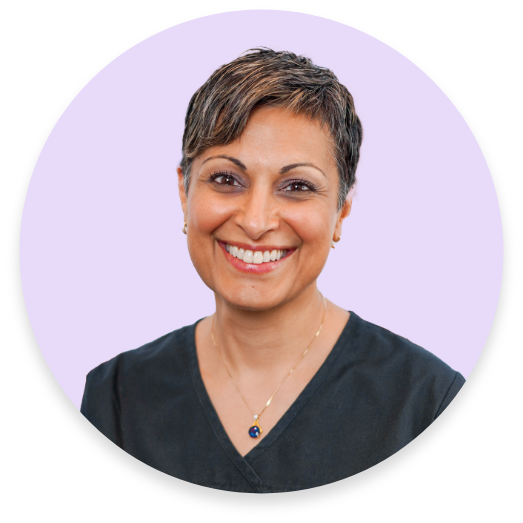
General dentist Dr. Simali Garach and every member of our Queen King Dental family are dedicated to enhancing the well-being of our patients, one smile at a time. Offering a wide range of preventive, restorative, cosmetic, and periodontal services, we strive to establish enduring relationships based on trust and mutual respect. We hold our patients in high esteem and prioritize their needs above all else. Call us today, and let's work together to prioritize your beautiful smile!










Have Insurance Questions?

Contact Us
Today
If you want to know more about us, our approach to dentistry, and how we can help you care for your smile, contact us today. Our friendly and knowledgeable staff is excited to get to know you better and help you reach your oral health goals!
Read Our Awesome Reviews
- Derek T
- Grace D
- James C