

Dental Bone Graft Scotland
A dental bone graft is a surgical procedure that rebuilds jawbone structure where bone has been lost due to tooth extraction, gum disease, or injury, creating a stable foundation for implants or other restorations. If you're in Scotland and considering this treatment, understanding the basics will help you feel confident about your decision and prepared for what lies ahead.
At Queen King Dental in Hamilton, Ontario, our experienced team-including Dr. Larry Levin and Dr. Kim Kwon-specializes in restorative and oral surgery procedures that restore both function and confidence. While we serve patients in Hamilton and the surrounding region, the principles of bone grafting apply universally, and we're here to explain what you need to know about this important procedure.
1. Why Bone Loss Happens and Why It Matters
When a tooth is lost, the jawbone beneath it begins to shrink within months because it no longer receives the stimulation that a tooth root provides. This process, called resorption, continues over time and can change the shape of your face and make future tooth replacement more difficult. Gum disease accelerates this loss, and injury or extraction without proper aftercare can trigger significant bone deterioration.
The reason this matters is straightforward: without adequate bone height and width, dental implants-the gold standard for replacing missing teeth-cannot be securely placed. A bone graft rebuilds what has been lost, restoring the foundation your mouth needs. Because bone grafting requires surgical expertise and precision, Queen King Dental uses advanced diagnostic imaging, including iTero digital scanners, to map exactly what needs to be rebuilt before treatment begins.
2. Types of Bone Graft Materials and How They Work
Your surgeon can use several different materials for a bone graft, and each has distinct advantages. Autografts-bone taken from your own body, often from the hip or chin-are considered the gold standard because your body recognizes the material as yours and integrates it naturally. Allografts use sterilized bone from a donor source, eliminating the need for a second surgical site on your body. Xenografts come from animal sources (typically bovine), and synthetic grafts are laboratory-engineered substitutes.
The choice depends on the size of the area being grafted, your overall health, and your preference regarding surgical complexity. The team at Queen King Dental will discuss these options with you in detail, always prioritizing your comfort and explaining how each material behaves in your specific situation. What matters most is that the graft material acts as a scaffold, encouraging your own bone cells to grow and fill in the missing space over the following months.
3. The Timeline and What Recovery Looks Like
Bone grafting is not an instant fix-it requires patience. After the procedure, the graft must integrate with your existing bone, a process that typically takes three to six months, though some complex cases may take longer. During this waiting period, you'll need to protect the surgical site by following post-operative instructions carefully: avoiding certain foods, not smoking, and attending follow-up appointments so your dentist can monitor healing.
Most patients experience manageable discomfort in the first week, with swelling that gradually subsides. Pain medication and ice packs help, and Queen King Dental's commitment to patient comfort extends to recovery-amenities like weighted blankets and aromatherapy in our calm clinical environment help reduce anxiety. Once healing is complete and imaging confirms the graft has integrated, you'll be ready to move forward with implant placement or other restorations. same-day appointment availability at Queen King Dental means you can often schedule your post-operative checks without long delays.
4. Success Rates and Long-Term Outlook
Bone grafts have high success rates-typically 85 to 90 percent when performed by experienced surgeons using proper technique and quality materials. Success means the graft integrates fully with your natural bone, creating a solid, lasting foundation. Factors that improve outcomes include good oral hygiene, avoiding smoking, following post-operative care instructions, and working with a skilled surgical team experienced in restorative dentistry.
The long-term picture is very positive: once your graft has healed and an implant is placed, that restored tooth can last decades with proper care. This is why bone grafting, though it requires patience and investment, often represents the best path to a permanent solution. Queen King Dental's restorative approach focuses on durability and natural results, ensuring your rebuilt smile functions and looks as intended for years to come.
5. Questions to Ask Your Surgeon Before Proceeding
Before committing to a bone graft, you should feel fully informed. Here are essential questions to discuss:
- Which graft material do you recommend for my situation, and why?
- How much bone needs to be rebuilt, and what will the procedure timeline look like?
- What are the specific risks and possible complications, and how will you manage them?
- What happens if the graft does not integrate as expected?
- What are my post-operative restrictions, and when can I resume normal activities?
- How will you monitor healing, and what does follow-up care involve?
At Queen King Dental, we believe informed patients make better decisions and experience less anxiety. Our dentists take time to answer your questions thoroughly, explain procedures in plain language, and ensure you understand every step. Patient comfort and education are central to how we practice-from initial consultation through final restoration.
If you're considering a bone graft or have questions about restorative options for missing teeth, we invite you to reach out to Queen King Dental. Our team is ready to evaluate your needs, discuss treatment possibilities, and guide you toward the smile you deserve.
Frequently Asked Questions
How much does a dental bone graft cost in Scotland?
Bone graft costs vary depending on the graft material used, the size of the area being treated, and the complexity of the procedure. Your dental surgeon will provide a detailed estimate after examining your jawbone and discussing your specific needs. Most practices offer payment plans or financing options to make treatment more accessible.
Is a bone graft always necessary before getting a dental implant?
Not always. If you have sufficient bone height and width, an implant can often be placed without grafting. However, if significant bone loss has occurred due to missing teeth, gum disease, or injury, a graft may be essential to ensure the implant has a stable foundation and can function properly long-term.
How long does bone graft integration take?
Bone graft integration typically takes three to six months, though some cases may take longer depending on the graft material and the size of the area treated. Your surgeon will use imaging to confirm when integration is complete and you're ready to proceed with implant placement or other restorations.
What is the difference between an autograft and an allograft?
An autograft uses bone from your own body, which integrates naturally but requires a second surgical site. An allograft uses sterilized bone from a donor source, eliminating the need for additional surgery on your body. Both are effective; the choice depends on your specific situation and surgeon recommendation.
Can I smoke after a bone graft procedure?
Smoking significantly impairs bone healing and increases the risk of graft failure. Most surgeons recommend avoiding smoking for several weeks or months after the procedure. Your dental team will provide specific post-operative instructions to protect your graft and ensure the best possible outcome.
Are there risks or complications associated with dental bone grafts?
Bone grafts are generally safe, but like any surgical procedure, they carry some risk-including infection, bleeding, swelling, or graft failure. These complications are rare when performed by experienced surgeons with proper technique. Your surgeon will discuss specific risks and how they manage them before your procedure begins.
Whiten Your Smile … Virtually! Try It Now!
Get A Glimpse Of Our Care!
With our iTero intraoral scanner, our team can create incredibly precise, natural-looking, and durable crowns, bridges, implants, and more. Watch this video to learn more!
Ask Us About InLight Therapy!
Top Reasons We Could Be Perfect For You & Your Family

Proven Technology
Zoom Whitening
Tailored Care
Meet Our Doctor & Team
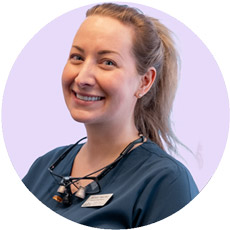
General dentist Dr. Simali Garach and every member of our Queen King Dental family are dedicated to enhancing the well-being of our patients, one smile at a time. Offering a wide range of preventive, restorative, cosmetic, and periodontal services, we strive to establish enduring relationships based on trust and mutual respect. We hold our patients in high esteem and prioritize their needs above all else. Call us today, and let's work together to prioritize your beautiful smile!















Have Insurance Questions?

Contact Us
Today
If you want to know more about us, our approach to dentistry, and how we can help you care for your smile, contact us today. Our friendly and knowledgeable staff is excited to get to know you better and help you reach your oral health goals!
Read Our Awesome Reviews
- Derek T
- Grace D
- James C