

Dental Bone Graft Puslinch
A dental bone graft is a surgical procedure that rebuilds or augments jawbone tissue, enabling patients to receive dental implants or other restorative work when bone loss has occurred. Queen King Dental in Hamilton offers Dental Bone Graft Puslinch procedures as part of comprehensive oral surgery services, performed by experienced dentists with advanced diagnostic and surgical capabilities.
Puslinch residents and families in the surrounding communities face the same dental challenges as broader Hamilton-tooth loss from decay, trauma, or periodontal disease can leave bone volume inadequate for implant placement. Queen King Dental addresses this directly through bone grafting, which uses biocompatible materials to regenerate bone structure over several months before implant placement.
Why Bone Loss Happens and Why It Matters
When a tooth is lost, the jawbone beneath it begins to resorb, or shrink, because it no longer receives the stimulation that living tooth roots provide. This resorption can be rapid-some patients experience significant bone loss within the first year after tooth loss. Because bone volume directly determines whether an implant can be placed safely and functionally, patients in Puslinch and nearby areas with missing teeth often discover they need grafting before implant surgery can proceed.
Beyond implant candidacy, adequate bone height and width affect facial structure, bite alignment, and the longevity of any restorative work. Queen King Dental evaluates bone density and volume using iTero digital scanners and advanced imaging, ensuring precise treatment planning.
Bone Graft Materials and Methods
Queen King Dental uses several graft material options, each with specific applications:
- Autografts-bone harvested from the patient's own jaw or other skeletal sites; strongest integration but requires a second surgical site
- Allografts-bone from a human donor, processed and sterilized; avoids a second surgery but relies on external bone source
- Xenografts-bone from animal sources, processed for biocompatibility; widely used and effective for volume restoration
- Synthetic bone substitutes-engineered materials that provide scaffold for new bone growth; predictable and eliminate donor site concerns
The choice depends on graft size, patient anatomy, timeline, and clinical goals. Your dentist at Queen King Dental will recommend the material best suited to your situation during your consultation.
The Grafting Timeline and What to Expect
Bone grafting is not an immediate process. After placement, the graft material serves as a scaffold while your body's natural healing response generates new bone cells. Osseointegration-the formation of new bone-typically requires four to nine months, depending on graft type, graft volume, and individual healing capacity.
During this period, you will attend follow-up appointments at Queen King Dental to monitor healing. Dietary modifications, oral hygiene care, and activity restrictions apply in the early weeks. Once adequate bone has regenerated, implant placement can proceed, followed by a second healing phase before the final crown or prosthetic is fitted.
Queen King Dental prioritizes patient comfort throughout. Amenities like InLight Therapy, weighted blankets, and aromatherapy help reduce anxiety during and after surgical procedures. Same-day appointments and emergency prioritization mean you receive urgent care when needed, and routine monitoring happens on a schedule that fits your life.
Bone Grafting Success Rates and Long-Term Outcomes
Modern bone grafting carries success rates between 85 and 95 percent, with outcomes dependent on material choice, surgical technique, patient health, and compliance with post-operative care. Infections, graft failure, or inadequate bone formation occur in a minority of cases and are managed with revision surgery or alternative treatment planning.
Once new bone has healed, implants placed in grafted bone perform as reliably as those in native bone. The investment in grafting pays long-term dividends-dental implants typically last 20 to 30 years or more, whereas dentures or bridges require replacement or adjustment every 5 to 10 years.
If you live in Puslinch or the surrounding areas and have experienced tooth loss, bone loss, or have been told you are not a candidate for implants due to insufficient bone, Queen King Dental can evaluate your situation and discuss whether grafting is appropriate for your goals. Contact the clinic to schedule a consultation with Dr. Larry Levin, Dr. Kim Kwon, or another member of the surgical team. We serve Hamilton families and individuals with the expertise, technology, and compassionate care needed to restore your smile and oral function.
Frequently Asked Questions
How long does a bone graft take to heal?
Bone healing typically takes four to nine months, depending on graft material and individual healing capacity. Your Queen King Dental team will monitor progress with imaging to determine when you are ready for implant placement.
Is bone grafting painful?
The surgical site will be numb during the procedure. Post-operative discomfort is managed with prescribed pain medication, and Queen King Dental uses comfort amenities like weighted blankets and aromatherapy to support recovery and reduce anxiety.
Can I get a dental implant without a bone graft?
Only if you have sufficient bone height and width at the implant site. If bone loss has occurred, grafting is often necessary to ensure the implant has stable support and can function properly for decades.
What is the cost of a bone graft in Puslinch?
Pricing depends on graft size, material selection, and surgical complexity. Queen King Dental will provide a detailed estimate during your consultation after assessing your bone anatomy and treatment plan.
Will my body reject a bone graft?
True rejection is rare with modern graft materials, especially allografts and xenografts that are processed to minimize immune response. Your Queen King Dental surgeon will choose material that minimizes rejection risk based on your health history.
Can I eat normally after a bone graft?
No-soft, cool foods are recommended for the first one to two weeks. Chewing hard, hot, or sticky foods can disrupt healing. Your surgeon will provide detailed post-operative dietary guidance.
Are there alternatives to bone grafting for dental implants?
Limited alternatives exist; bone grafting is the gold standard for restoring bone volume. In some cases, smaller implants or hybrid restorations like fixed bridges may be options, but Queen King Dental will explore all possibilities during your consultation.
Whiten Your Smile … Virtually! Try It Now!
Get A Glimpse Of Our Care!
With our iTero intraoral scanner, our team can create incredibly precise, natural-looking, and durable crowns, bridges, implants, and more. Watch this video to learn more!
Ask Us About InLight Therapy!
Top Reasons We Could Be Perfect For You & Your Family

Proven Technology
Zoom Whitening
Tailored Care
Meet Our Doctor & Team
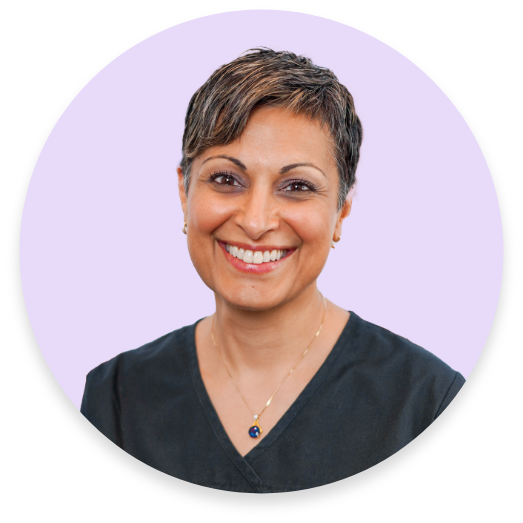
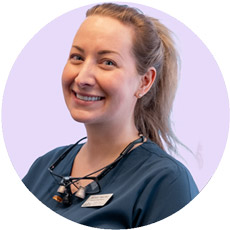
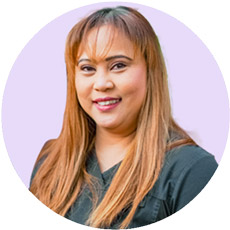
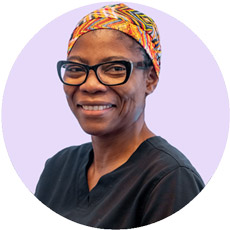
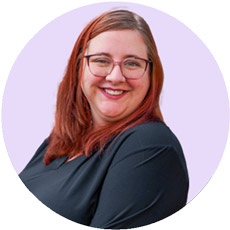
General dentist Dr. Simali Garach and every member of our Queen King Dental family are dedicated to enhancing the well-being of our patients, one smile at a time. Offering a wide range of preventive, restorative, cosmetic, and periodontal services, we strive to establish enduring relationships based on trust and mutual respect. We hold our patients in high esteem and prioritize their needs above all else. Call us today, and let's work together to prioritize your beautiful smile!








Have Insurance Questions?

Contact Us
Today
If you want to know more about us, our approach to dentistry, and how we can help you care for your smile, contact us today. Our friendly and knowledgeable staff is excited to get to know you better and help you reach your oral health goals!
Read Our Awesome Reviews
- Derek T
- Grace D
- James C