

Dental Bone Graft Lynden
A dental bone graft is a surgical procedure that rebuilds or reinforces jawbone where bone loss has occurred, creating a stable foundation for dental implants or other restorative work. Queen King Dental provides dental bone graft services to patients in Lynden and the surrounding Hamilton region who need to restore their oral structure before moving forward with implant placement or other restorative procedures.
Lynden is a small, tight-knit community within the greater Hamilton area, home to families and individuals who value accessible, quality healthcare close to home. Many Lynden residents come to Queen King Dental because the clinic combines advanced surgical capability with the kind of patient comfort and personalized care that matter when facing a procedure like bone grafting.
The Problem: Bone Loss and Missing Teeth
When a tooth is lost or removed, the jawbone beneath it begins to resorb, or shrink, over time. This happens because the bone no longer receives the stimulation that tooth roots once provided. Within months, the bone can thin significantly, making it impossible to place a dental implant without first restoring the bone structure.
For patients in Lynden seeking implant-supported restorations, bone loss often becomes the obstacle that delays treatment. Without enough bone height and width, implants cannot integrate properly, and the aesthetic and functional results suffer. This is where bone grafting becomes essential.
Bone loss can result from:
- Long-term tooth loss before implant planning
- Periodontal disease that has affected the supporting bone
- Trauma or injury to the jaw
- Previous dental procedures or extractions
Without adequate bone volume, dental implants cannot be placed successfully. Bone grafting rebuilds the foundation needed for implants to function and last.
Queen King Dental's Approach to Bone Grafting
Queen King Dental uses a systematic, evidence-based approach to bone grafting that prioritizes patient safety and comfort from the start. The process begins with comprehensive diagnostic imaging using advanced technology to assess bone volume and density, allowing Dr. Larry Levin and Dr. Kim Kwon to plan the graft precisely.
The clinic's surgical team evaluates several key factors before recommending a bone graft:
- The location and extent of bone loss
- The patient's overall health and healing capacity
- The timeline for implant placement
- Patient comfort levels and anxiety history
Because dental anxiety is common among patients facing surgical procedures, Queen King Dental prioritizes a calm environment throughout bone grafting treatment. The clinic uses InLight Therapy to reduce procedure anxiety, weighted blankets for nervous system regulation, and aromatherapy to support a relaxed state. These amenities are integrated into the surgical experience, not added as afterthoughts.
During the grafting procedure itself, the surgical team places bone material (sourced through professional medical channels) into the area of deficiency. The graft material acts as a scaffold, encouraging the patient's own bone cells to regenerate and fill the space. Over several months, the graft integrates with existing bone, creating a solid, mature foundation suitable for implant placement.
Timeline and Integration: What to Expect
Bone grafting is not an instant solution, and Queen King Dental sets realistic expectations with every patient. The integration timeline typically spans 4 to 9 months, depending on graft size, location, and individual healing factors.
During the healing phase, patients can expect:
- Initial swelling and discomfort for the first few days, managed with prescribed medication
- Gradual bone maturation over weeks and months
- Periodic follow-up appointments to monitor integration using imaging
- Clearance for implant placement once bone density reaches adequate levels
The waiting period allows the graft to become part of the patient's natural bone structure. This mature, integrated bone then provides a dependable anchor for dental implants, which themselves require 3 to 6 months of osseointegration before crown placement. While the overall timeline from graft to final restoration spans many months, each stage is building toward a result designed to last decades.
Case Outcome: Restored Function and Confidence
One patient in Lynden presented to Queen King Dental with significant bone loss following years without a lower molar. The patient had been told by another provider that implants were "not possible" without grafting, but the idea of surgery felt overwhelming. After an initial consultation that included detailed explanation and time to address concerns, the patient decided to move forward with bone grafting at Queen King Dental.
The surgical team completed the graft procedure with minimal discomfort, supported by the clinic's anxiety-reduction amenities. Over the following six months, follow-up imaging confirmed strong bone integration. Once mature bone was confirmed, the team placed a single dental implant, which osseointegrated successfully. A custom crown was then secured to the implant, restoring the patient's ability to chew comfortably and closing a gap that had been present for years.
The outcome was not just functional restoration. The patient reported renewed confidence in smiling and eating, and the implant-supported crown looked and felt natural. Because the bone graft had created a stable, mature foundation, the implant and crown were positioned precisely for both esthetics and function.
Why Choose Queen King Dental for Bone Grafting in Lynden
Several factors set Queen King Dental apart for patients in Lynden considering bone grafting:
- Surgical expertise: Dr. Larry Levin and Dr. Kim Kwon bring years of experience in oral surgery and implant restoration, ensuring grafts are placed with precision and proper technique.
- Advanced diagnostics: The clinic uses state-of-the-art imaging and planning tools that allow for accurate assessment and surgical planning, reducing complications.
- Comfort-centered care: From InLight Therapy to weighted blankets and aromatherapy, the clinic actively manages patient anxiety during a procedure many fear.
- Comprehensive follow-up: Post-operative monitoring is thorough, with clear guidance on healing and timely assessment of readiness for implant placement.
- Continuity of care: The same team that places your bone graft will place your implant and restore your crown, ensuring seamless coordination across all phases.
Patients from Lynden appreciate the combination of clinical competence and genuine attention to comfort. Bone grafting is a significant step, and having a surgical team that explains every stage, listens to concerns, and actively reduces anxiety makes the experience less daunting and the outcome more satisfying.
If bone loss is standing between you and the dental restoration you want, Queen King Dental is ready to discuss your options. Reach out to schedule a consultation with one of our experienced dentists, and let's explore whether bone grafting is the right path forward for your smile.
Frequently Asked Questions
How long does it take for a dental bone graft to integrate?
Most bone grafts require 4 to 9 months to fully integrate and mature, depending on the graft size, location in the jaw, and your individual healing response. Queen King Dental monitors your progress with follow-up imaging and will let you know when your bone is ready for implant placement.
Is bone grafting painful?
The surgical procedure itself is performed under local anesthesia, so you should not feel pain during the graft placement. Some swelling and discomfort are normal in the days immediately after surgery, but Queen King Dental provides medication and clear post-operative instructions to manage this. The clinic also uses anxiety-reduction amenities like InLight Therapy and weighted blankets to keep you comfortable throughout your treatment.
Can I get a dental bone graft in Lynden?
Yes. Queen King Dental, located in Hamilton and serving patients throughout the region including Lynden, offers dental bone graft procedures as part of its oral surgery and restorative services. Dr. Larry Levin and Dr. Kim Kwon perform bone grafts to prepare patients for dental implants and other restorative work.
What happens after my bone graft heals?
Once your bone graft has matured and Queen King Dental confirms adequate bone volume through imaging, you become a candidate for dental implant placement. The implant is then surgically inserted into the grafted bone, where it integrates over another 3 to 6 months before your final crown is attached.
Whiten Your Smile … Virtually! Try It Now!
Get A Glimpse Of Our Care!
With our iTero intraoral scanner, our team can create incredibly precise, natural-looking, and durable crowns, bridges, implants, and more. Watch this video to learn more!
Ask Us About InLight Therapy!
Top Reasons We Could Be Perfect For You & Your Family

Proven Technology
Zoom Whitening
Tailored Care
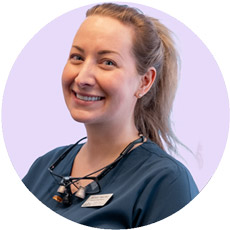
Meet Our Doctor & Team
General dentist Dr. Simali Garach and every member of our Queen King Dental family are dedicated to enhancing the well-being of our patients, one smile at a time. Offering a wide range of preventive, restorative, cosmetic, and periodontal services, we strive to establish enduring relationships based on trust and mutual respect. We hold our patients in high esteem and prioritize their needs above all else. Call us today, and let's work together to prioritize your beautiful smile!















Have Insurance Questions?

Contact Us
Today
If you want to know more about us, our approach to dentistry, and how we can help you care for your smile, contact us today. Our friendly and knowledgeable staff is excited to get to know you better and help you reach your oral health goals!
Read Our Awesome Reviews
- Derek T
- Grace D
- James C