

Dental Bone Graft Kilbride
A dental bone graft is a surgical procedure that builds or restores bone in your jaw when it has deteriorated or been lost, making it possible to place dental implants or strengthen areas damaged by infection or extraction. If you live in Kilbride or nearby areas of Hamilton and need this procedure, Queen King Dental offers comprehensive oral surgery services with a focus on patient comfort and advanced technique. This guide walks you through what to expect at each stage, from your first evaluation through recovery.
Step 1: Schedule Your Initial Consultation at Queen King Dental
Your first visit is a conversation, not a commitment. Contact Queen King Dental to book a consultation where you'll meet with one of the experienced dentists, such as Dr. Larry Levin or Dr. Kim Kwon, who will listen to your concerns and examine your jaw structure. They will ask about your dental history, any previous extractions, and what you hope to achieve-whether that is placing an implant or preserving bone after tooth loss. This is the time to mention if you have dental anxiety, because Queen King Dental specializes in patient comfort with amenities like weighted blankets and aromatherapy to keep you at ease.
The dentist will use advanced diagnostic imaging, including iTero digital scanners, to assess exactly how much bone you have and where grafting is needed. This technology gives you and your dentist a clear picture before any treatment begins, so there are no surprises later. The consultation is your chance to ask questions and understand the timeline and what recovery will look like.
Step 2: Understand Your Bone Graft Material Options
Not all bone grafts are the same. Your dentist at Queen King Dental will explain which material is best for your situation. Autograft bone-harvested from your own jaw, hip, or other site-is strongest because your body recognizes it as your own and integrates it most reliably. Allograft bone comes from a human donor and has been sterilized and processed; it works well and avoids a second surgical site on your body. Xenograft uses animal bone (usually bovine) and is also effective. Synthetic materials are also available and perform similarly to natural options in many cases.
Each choice has trade-offs in terms of healing speed, cost, and how much bone volume you gain. Your dentist will recommend the option that matches your anatomy and goals. For someone in Kilbride seeking this procedure, Queen King Dental can discuss all options clearly so you understand what is going into your jaw and why.
Step 3: Prepare for Your Graft Surgery
Before your procedure, Queen King Dental will give you detailed pre-surgical instructions. You will typically need to fast for a set number of hours beforehand, arrange for someone to drive you home (because sedation or anesthesia will be used), and plan time off work or usual activities for a few days. Let your dentist know about all medications you take, especially blood thinners or antibiotics, because some may need to be paused or adjusted.
The surgery itself takes place in a calm, comfortable environment at Queen King Dental. The dentist will numb the area thoroughly and often offer sedation options to keep you relaxed and pain-free throughout. Your comfort is the priority-this is not a procedure where you should feel anxious or afraid. Once the area is numb and you are calm, the dentist will expose the bone site, place the graft material carefully, and secure it with a membrane to hold everything in place while healing begins.
Step 4: Follow Post-Surgery Care and Allow Healing
After your graft, recovery is the most important phase. For the first few days, you will have swelling, minor bleeding, and discomfort-all normal. Queen King Dental will provide explicit aftercare instructions: keep the site clean without disturbing it, apply ice as directed, take prescribed pain medication on schedule, and eat soft foods that do not require chewing near the graft. Avoid smoking and strenuous activity for at least a week, because both slow healing and reduce graft success rates.
Bone integration takes time-typically between four and nine months depending on the graft type and size. During this waiting period, your own bone cells will incorporate the graft material, making it a living part of your jaw. You will have follow-up appointments at Queen King Dental to check healing and monitor progress with imaging. Once your dentist confirms that the bone has fused and strengthened, you can move forward with the next step, whether that is placing a dental implant or other restorative work. Kilbride residents and nearby patients benefit from Queen King Dental's same-day appointment availability for urgent concerns during recovery, should any complications arise.
Frequently Asked Questions
How long does a dental bone graft take to heal?
Healing typically takes four to nine months, depending on the size of the graft and the material used. Autograft bone often heals faster than allograft or xenograft. Your dentist at Queen King Dental will monitor your progress with regular check-ups and imaging to confirm when the bone has fully integrated.
Is a dental bone graft painful?
The procedure itself is not painful because the area is numbed and you receive sedation or anesthesia. After surgery, you may have mild to moderate discomfort and swelling for a few days, managed with prescribed medication and ice. Queen King Dental prioritizes your comfort with amenities like weighted blankets and aromatherapy to ease anxiety before and after surgery.
What is the success rate of dental bone grafts?
Success rates typically range from 85 to 95 percent, with autografts having the highest success. Success depends on graft material, surgical technique, your overall health, and how carefully you follow aftercare instructions. Your dentist at Queen King Dental will discuss realistic expectations during your consultation.
Can I get a dental bone graft in Kilbride?
Yes. Queen King Dental, serving Hamilton and surrounding areas including Kilbride, offers comprehensive oral surgery services including bone grafting. Led by experienced dentists such as Dr. Larry Levin and Dr. Kim Kwon, the clinic provides both the surgical expertise and comfort-focused environment you need for this procedure.
When can I have a dental implant after a bone graft?
You must wait until the bone has healed and integrated, which usually takes four to nine months. Your dentist at Queen King Dental will confirm readiness through clinical examination and imaging before scheduling your implant placement, ensuring the strongest foundation for long-term success.
What foods can I eat after a bone graft?
Stick to soft, cool foods for the first week: yogurt, applesauce, smoothies, mashed potatoes, soup (cooled), and scrambled eggs. Avoid hot foods, hard or crunchy items, and anything requiring vigorous chewing near the graft site. Your Queen King Dental team will provide a detailed eating guide after your procedure.
Whiten Your Smile … Virtually! Try It Now!
Get A Glimpse Of Our Care!
With our iTero intraoral scanner, our team can create incredibly precise, natural-looking, and durable crowns, bridges, implants, and more. Watch this video to learn more!
Ask Us About InLight Therapy!
Top Reasons We Could Be Perfect For You & Your Family

Proven Technology
Zoom Whitening
Tailored Care
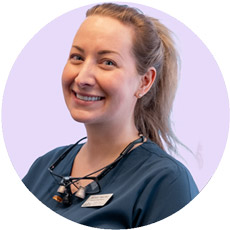
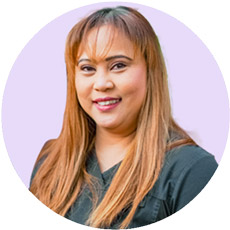
Meet Our Doctor & Team
General dentist Dr. Simali Garach and every member of our Queen King Dental family are dedicated to enhancing the well-being of our patients, one smile at a time. Offering a wide range of preventive, restorative, cosmetic, and periodontal services, we strive to establish enduring relationships based on trust and mutual respect. We hold our patients in high esteem and prioritize their needs above all else. Call us today, and let's work together to prioritize your beautiful smile!














Have Insurance Questions?

Contact Us
Today
If you want to know more about us, our approach to dentistry, and how we can help you care for your smile, contact us today. Our friendly and knowledgeable staff is excited to get to know you better and help you reach your oral health goals!
Read Our Awesome Reviews
- Derek T
- Grace D
- James C