

Dental Bone Graft Glen Morris
A dental bone graft is a procedure that rebuilds jawbone where tooth loss, gum disease, or injury has worn it away, restoring the foundation needed for implants or other restorative work. If you live in Glen Morris or the surrounding area and need this type of oral surgery, understanding your options-and which approach fits your situation-makes the decision clearer and less stressful.
Glen Morris is a small, close-knit community in the Township of Brant, where families value straightforward, honest care. Residents often travel to nearby Hamilton for specialized dental work, and Queen King Dental serves patients from Glen Morris and across the region with advanced surgical techniques and a genuine focus on keeping you comfortable throughout the process. Whether you are considering a bone graft before implant placement or addressing bone loss from periodontal disease, the right choice depends on your specific anatomy, timeline, and goals.
Understanding Your Bone Graft Options in Glen Morris
Bone graft materials and techniques vary significantly in how they integrate, how long they take to heal, and what results you can expect. The main categories are autogenous (your own bone), allograft (human donor bone), xenograft (animal-derived bone), and synthetic materials. Each has distinct advantages and trade-offs that affect not just the surgery itself, but the months of healing that follow.
Autogenous bone-harvested from another site in your mouth or body-is considered the gold standard because it contains living cells that actively promote new bone formation. The downside is that it requires a second surgical site, extending recovery time and adding discomfort. You are also limited by how much bone you can safely harvest. Because autogenous grafts are living tissue, they integrate faster and tend to last longer, making them ideal if you have enough donor bone available and can tolerate a slightly longer healing period.
Allograft material comes from a human donor and is processed to remove cells while preserving the mineral scaffold. It eliminates the need for a second surgical site, shortening surgery time and reducing trauma to your body. However, it does not contain living cells, so integration relies entirely on your own bone-building capacity. Allograft is reliable and widely used, but may require slightly longer healing than autogenous bone in some cases.
Xenograft uses bone from an animal source-typically bovine or porcine-and is similarly processed to create a mineral matrix. It is effective, readily available, and does not depend on a human donor supply. Like allograft, it works through your body's natural bone regeneration rather than through living cells. Some patients prefer xenograft for ethical or religious reasons.
Synthetic bone substitutes are engineered to mimic natural bone structure and are reabsorbed gradually as your own bone forms. They offer consistency and no donor-dependent variables, but integration may be slower than biological options. Synthetics are a sound choice when bone volume requirements are moderate and you prefer to avoid animal or human-derived material.
| Graft Type | Source | Integration Speed | Surgical Sites | Best For |
|---|---|---|---|---|
| Autogenous | Your own bone | Fastest | Two (harvest + graft site) | Large defects; patients with adequate donor bone |
| Allograft | Human donor | Moderate | One | Smaller grafts; minimal donor site morbidity desired |
| Xenograft | Animal (bovine/porcine) | Moderate | One | Patients avoiding human donor material |
| Synthetic | Engineered material | Variable | One | Smaller defects; consistent material preferred |
Recovery, Timeline, and What Success Looks Like
Bone grafts do not produce immediate results. After placement, the graft acts as a scaffold while your own bone cells gradually colonize the material and rebuild solid structure. This integration typically takes four to nine months, depending on graft type, graft size, and individual healing factors like age, nutrition, and overall health. During this time, the graft site must be protected-no heavy chewing, vigorous rinsing, or contact with the area.
Pain and swelling peak in the first week and usually subside within two to three weeks. Most people can return to light activity-desk work, gentle walking-within a week, though strenuous exercise should wait until your surgeon confirms healing is on track. You will have follow-up appointments to monitor integration, and your dentist may take imaging to confirm bone formation is proceeding as expected.
Queen King Dental prioritizes your comfort during recovery through clear post-operative instructions, accessible emergency support if complications arise, and reassuring check-ins. The clinic's calm, patient-centered approach means you are not rushed through healing or made to feel anxious about what is a normal, predictable process when managed well.
Success is measured by the volume and density of bone that forms. Once integration is complete-confirmed by imaging-you have a solid foundation for implants or other tooth replacement. Studies show integration success rates of 85 to 95 percent across all graft types when surgery is performed by experienced surgeons and patients follow post-operative care carefully. A small percentage of grafts fail to integrate fully and may need to be repeated, but this is uncommon.
Choosing the Right Approach for Your Situation
The best graft material and technique for you depends on how much bone you have lost, how large the defect is, whether you are having a single tooth replaced or multiple teeth, your overall health, and your preferences around recovery time and material origin. A thorough pre-surgical consultation-including 3D imaging and an honest conversation about your goals-narrows this down.
If you have significant bone loss and a healthy donor site elsewhere in your mouth, autogenous bone may offer the fastest, most robust integration and the best long-term outcome. If you prefer to avoid a second surgical site or do not have adequate donor bone, allograft, xenograft, or synthetic material delivers reliable results with less trauma and often lower cost. Your surgeon at Queen King Dental will assess your anatomy and recommend the approach most likely to succeed in your case.
Timeline matters too. If you need implants urgently, a faster-integrating graft (autogenous or allograft) makes sense. If you can wait nine months, synthetic or xenograft options may be equally effective and carry fewer trade-offs. Bone graft surgery is not an emergency-it is planned and staged to give you the best result, not the fastest one.
Glen Morris residents and patients across the Hamilton region benefit from Queen King Dental's surgical expertise, advanced imaging technology, and commitment to explaining each option plainly so you can make an informed choice. The clinic does not push you toward the most expensive procedure or the latest trend; instead, the team tailors recommendations to your specific anatomy, timeline, and comfort level.
If you are considering a bone graft and want a clear assessment of your options, a warm conversation about what to expect, and a surgeon who genuinely prioritizes your wellbeing, reach out to Queen King Dental. The team is ready to discuss your situation, answer your questions, and help you move forward with confidence.
Frequently Asked Questions
How long does it take for a dental bone graft to heal?
Bone graft integration typically takes four to nine months, depending on the graft material, size, and your individual healing rate. Pain and swelling peak within the first week and subside over two to three weeks, but the bone is still forming silently during the remaining months. Your dentist will use imaging to confirm integration is complete before proceeding to implant placement.
What is the difference between autogenous and allograft bone?
Autogenous bone comes from your own body and contains living cells that actively build new bone, making it integrate fastest; however, it requires a second surgical site. Allograft comes from a human donor and lacks living cells, so it relies on your body's own bone-building process; it eliminates a second surgery but may integrate slightly more slowly.
Are there dental bone graft specialists in Glen Morris?
Glen Morris does not have a dedicated oral surgery practice, but Queen King Dental in Hamilton-just 20 minutes away-offers bone graft surgery and restorative implant work for patients throughout the region, including Glen Morris. The clinic combines advanced diagnostic imaging and surgical expertise with a calm, supportive environment.
Will I be able to eat normally after a bone graft?
You should stick to soft foods for the first two weeks to protect the graft site. After that, you can gradually return to a normal diet as healing progresses, but avoid chewing directly on the graft area until your surgeon confirms it is safe. Most people can resume normal eating within four to six weeks, though complete bone integration takes much longer.
What happens if my bone graft fails?
Graft failure is uncommon when surgery is performed by an experienced surgeon and post-operative care is followed carefully; success rates are typically 85 to 95 percent. If integration does not occur, a second graft can usually be placed, often with a different material or technique. Your dentist will discuss the signs of failure and when a revision graft might be needed.
Whiten Your Smile … Virtually! Try It Now!
Get A Glimpse Of Our Care!
With our iTero intraoral scanner, our team can create incredibly precise, natural-looking, and durable crowns, bridges, implants, and more. Watch this video to learn more!
Ask Us About InLight Therapy!
Top Reasons We Could Be Perfect For You & Your Family

Proven Technology
Zoom Whitening
Tailored Care
Meet Our Doctor & Team
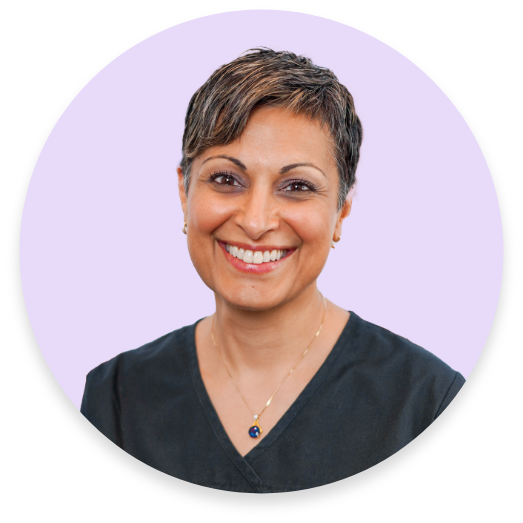
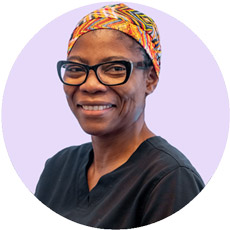
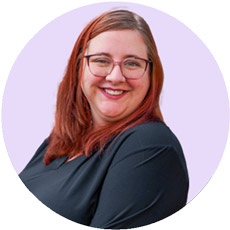
General dentist Dr. Simali Garach and every member of our Queen King Dental family are dedicated to enhancing the well-being of our patients, one smile at a time. Offering a wide range of preventive, restorative, cosmetic, and periodontal services, we strive to establish enduring relationships based on trust and mutual respect. We hold our patients in high esteem and prioritize their needs above all else. Call us today, and let's work together to prioritize your beautiful smile!










Have Insurance Questions?

Contact Us
Today
If you want to know more about us, our approach to dentistry, and how we can help you care for your smile, contact us today. Our friendly and knowledgeable staff is excited to get to know you better and help you reach your oral health goals!
Read Our Awesome Reviews
- Derek T
- Grace D
- James C