

Dental Bone Graft Canfield
A dental bone graft is a surgical procedure that rebuilds bone structure in your jaw to support dental implants or restore areas damaged by tooth loss or disease. If you are considering this treatment in Canfield, understanding what the process involves will help you feel confident and prepared. Queen King Dental in nearby Hamilton provides expert bone grafting services using advanced surgical techniques and a patient-centered approach designed to minimize discomfort and support your healing. This guide walks you through the essential steps to prepare for and understand your bone grafting journey.
Step 1: Schedule a Consultation with Your Dentist
Your first action is to book a comprehensive consultation with Queen King Dental. During this appointment, your dentist will examine your jaw structure using advanced diagnostic imaging to assess how much bone you have and where grafting is needed. This initial visit is not just a technical evaluation; it is a conversation about your goals, your concerns, and what success looks like for you. If you have experienced dental anxiety in the past, let your care team know now so they can adjust your experience accordingly.
Bring any dental records from previous treatments, a list of medications you are currently taking, and a written list of questions. The team will explain whether you are a candidate for bone grafting and what type of graft material might be recommended for your situation. Canfield residents choosing Queen King Dental benefit from having their entire care coordinated in one place, whether you need imaging, treatment planning, or follow-up care.
Step 2: Understand the Type of Bone Graft Material
Your dentist will discuss which bone graft material is best suited to your case. There are several options: your own bone (an autograft), bone from a donor source (an allograft), bone from an animal source (a xenograft), or synthetic bone substitute material. Think of graft material like a scaffold that your body uses to grow new bone. Each type has different healing timelines and success rates. Your dentist at Queen King Dental will explain the pros and cons of each so you can make an informed choice that aligns with your timeline and preferences.
This is also the moment to discuss any allergies or sensitivities you have. If you are nervous about the materials being placed in your body, ask for details about sourcing, sterilization, and safety testing. A compassionate dentist will take time to answer these questions thoroughly, because your trust and comfort matter as much as the technical skill of the procedure.
Step 3: Prepare Your Medical and Dental Health
In the weeks leading up to your procedure, take active steps to support your body's ability to heal. This means brushing and flossing gently but thoroughly to reduce bacteria in your mouth, because a cleaner oral environment heals faster and has fewer complications. If you smoke, discuss a cessation plan with your doctor, since smoking significantly slows bone healing and increases infection risk. Likewise, if your diabetes or other chronic conditions are not well controlled, work with your primary care doctor to stabilize them before your surgery.
Schedule any needed cleanings or fillings with Queen King Dental before your bone graft appointment. You want your mouth to be in the healthiest possible state when you arrive for surgery. If you take blood thinners, bisphosphonates (medications for bone density), or other medications that affect healing, make sure your dental surgeon knows about them and has consulted with your physician if needed.
Step 4: Arrange Your Surgical Support and Logistics
Bone grafting is an outpatient surgical procedure, which means you will go home the same day. However, you will need someone to drive you to and from your appointment because of anesthesia. Arrange this transportation at least one week in advance. Plan to have a family member or trusted friend available not just for the drive, but also for the rest of your recovery day-you may feel groggy, and having support at home makes a real difference.
Prepare your home before surgery day. Stock soft foods like yogurt, applesauce, soup, and smoothies in your refrigerator. Buy ice packs or frozen peas. Have clean, soft pillows ready so you can keep your head elevated while resting. Canfield residents should plan ahead since traffic and logistics matter when you are recovering; being prepared removes stress during your healing.
Step 5: Understand Pre-Operative Instructions
Your surgical team at Queen King Dental will provide detailed written and verbal instructions about the days immediately before your procedure. Typically, you will be asked to avoid eating and drinking for 6-8 hours before surgery (fasting requirements depend on the type of anesthesia being used). You will be instructed to wear loose, comfortable clothing and to remove jewelry, piercings, and nail polish on the day of surgery.
Take all regular medications as directed unless your dentist has told you otherwise. Do not stop blood pressure or heart medications without explicit guidance. If you are anxious about anesthesia, Queen King Dental offers amenities like aromatherapy, weighted blankets, and InLight Therapy(R) to help you feel calm before and after treatment. Communicate your anxiety level to your surgical team so they can create the gentlest possible experience.
Step 6: Know What Happens During the Bone Grafting Procedure
On the day of your procedure, you will arrive at Queen King Dental and be taken to the surgical area. After anesthesia is administered (you will be asleep or in a deeply relaxed state), your surgeon will make an incision in your gum to access the area where bone is missing. The graft material is then carefully placed and secured, sometimes with a membrane to guide healing. The incision is then closed with sutures that may dissolve on their own or need removal later.
The entire procedure typically takes between one and two hours depending on the size and complexity of the graft. You will feel nothing during surgery. When you wake up, you will likely feel some swelling and mild discomfort, which is completely normal and manageable with prescribed pain medication. Your care team will monitor you for a short recovery period before releasing you to your caregiver's care.
Step 7: Follow Post-Operative Care Instructions Precisely
The days and weeks after your bone graft are critical to success. Your dentist will give you specific instructions about pain management, swelling reduction, wound care, diet, and activity restriction. Take prescribed antibiotics as directed to prevent infection. Use ice for the first 48 hours (20 minutes on, 20 minutes off) to reduce swelling, then switch to warm compresses if recommended. Keep your head elevated even while sleeping to minimize swelling.
Eat only soft, cool foods for the first week-think smoothies, pudding, mashed potatoes, and scrambled eggs. Avoid hard, crunchy, or hot foods that could disturb the surgical site. Do not drink through a straw, smoke, or use any form of tobacco or cannabis, as these behaviors compromise healing. Do not touch or poke at the surgical area with your tongue or fingers, even though it may feel strange. Avoid strenuous exercise and heavy lifting for at least 2-3 weeks. These restrictions exist because your body is working hard to build new bone, and any disruption slows that process.
Step 8: Attend Follow-Up Appointments and Monitor Your Healing
Queen King Dental will schedule follow-up visits to check your healing progress. These appointments are essential, not optional. Your dentist needs to verify that the graft is integrating well, that there is no infection, and that your bone is beginning to regenerate. Sutures may be removed at one of these appointments if they were not self-dissolving. Do not miss these check-ins. Healing complications are rare, but they are much easier to address early.
Between appointments, contact Queen King Dental immediately if you experience excessive bleeding, fever, severe pain not controlled by medication, or signs of infection such as pus or a bad taste in your mouth. Canfield patients should keep their dentist's emergency contact information easily accessible in case questions arise outside of office hours. Most patients heal without complications when they follow instructions and stay connected with their care team.
Step 9: Plan Your Timeline to Dental Implants
A bone graft is usually a stepping stone toward dental implants or other restorative procedures. Healing takes time-typically 4-9 months depending on the size of the graft and the material used. During this waiting period, your body is quietly building new bone where the graft was placed. This is not wasted time; it is essential foundation-building work. Your dentist will use imaging periodically to monitor bone formation and determine when you are ready for your next phase of treatment.
Use this healing window to continue excellent oral hygiene, stay hydrated, eat protein-rich foods to support bone healing, and manage stress. When your bone has sufficiently regenerated, Queen King Dental will schedule your dental implant placement or other restorative treatment. Having a clear timeline gives you something concrete to work toward and helps you stay motivated through the healing period.
If you are in Canfield or the Hamilton area and are considering bone grafting as part of your path to restored dental function and confidence, Queen King Dental is here to guide you through every step. Our team combines advanced surgical expertise with genuine compassion for patient comfort. If you would like to learn more about whether bone grafting is right for your situation, we invite you to reach out and schedule a consultation. We are ready to help you understand your options and get started on your journey toward a stronger, healthier smile.
Frequently Asked Questions
How long does bone grafting take to heal in Canfield?
Bone graft healing typically takes 4-9 months, depending on the size of the graft and the type of material used. Your body is building new bone during this time, and Queen King Dental will monitor your progress with imaging at follow-up appointments to determine when you are ready for the next phase of treatment, such as dental implant placement.
What should I eat after a bone graft procedure?
For the first week, stick to soft, cool foods like smoothies, yogurt, pudding, mashed potatoes, scrambled eggs, and soup. Avoid hard, crunchy, or hot foods that could disturb the surgical site. As your healing progresses, you can gradually return to your normal diet, but always follow your dentist's specific guidance.
Is dental bone grafting painful?
The procedure itself is painless because you will be under anesthesia. After surgery, you may feel mild to moderate discomfort and swelling, which is normal and managed with prescribed pain medication and ice. Queen King Dental prioritizes comfort throughout your care, using amenities like weighted blankets and aromatherapy to help you feel supported during your recovery.
Whiten Your Smile … Virtually! Try It Now!
Get A Glimpse Of Our Care!
With our iTero intraoral scanner, our team can create incredibly precise, natural-looking, and durable crowns, bridges, implants, and more. Watch this video to learn more!
Ask Us About InLight Therapy!
Top Reasons We Could Be Perfect For You & Your Family

Proven Technology
Zoom Whitening
Tailored Care
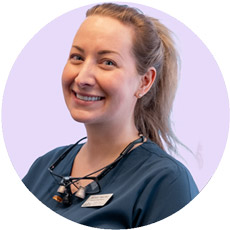
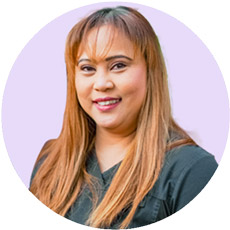
Meet Our Doctor & Team
General dentist Dr. Simali Garach and every member of our Queen King Dental family are dedicated to enhancing the well-being of our patients, one smile at a time. Offering a wide range of preventive, restorative, cosmetic, and periodontal services, we strive to establish enduring relationships based on trust and mutual respect. We hold our patients in high esteem and prioritize their needs above all else. Call us today, and let's work together to prioritize your beautiful smile!














Have Insurance Questions?

Contact Us
Today
If you want to know more about us, our approach to dentistry, and how we can help you care for your smile, contact us today. Our friendly and knowledgeable staff is excited to get to know you better and help you reach your oral health goals!
Read Our Awesome Reviews
- Derek T
- Grace D
- James C