

Dental Bone Graft Campden
A dental bone graft is a procedure that rebuilds or adds bone to your jaw when bone loss has made it too thin or weak to support a dental implant. If you've lost teeth and want implants, or if gum disease has worn away your foundation, your dentist in Campden may recommend this restorative step before moving forward with permanent tooth replacement.
Residents of Campden and the surrounding Hamilton region who have experienced tooth loss often discover that the bone beneath the missing tooth has gradually shrunk. This is a natural but challenging reality: without a tooth root to stimulate it, jawbone deteriorates over time. Queen King Dental understands this frustration and offers bone graft procedures as part of a comprehensive plan to restore not just your smile, but the underlying structure that makes it strong and lasting.
1. Bone Loss Happens Silently After Tooth Loss
You don't feel your jawbone disappearing. That's what makes bone loss so insidious. Within the first year after losing a tooth, your body reabsorbs roughly 25 percent of the bone at that site. By the third year, you may have lost half the bone height in that area. This process continues indefinitely if the tooth isn't replaced, which is why Campden patients who delayed treatment sometimes arrive at Queen King Dental with significantly compromised jaw structure.
The bone loss creates a domino effect. Even if you want a dental implant later, there may not be enough bone to anchor it securely. A bone graft solves this by providing or stimulating new bone growth, restoring the foundation you need. Because bone grafting takes time to integrate-typically three to six months-early intervention in Campden gives you more options down the road.
2. There Are Different Types of Bone Graft Material
Not all bone grafts are the same. Queen King Dental uses several approaches, and your dentist will recommend the one that best suits your situation. Autogenous grafts use bone harvested from your own body, usually from another area of your jaw or chin. Allograft material comes from a human donor source that has been processed and sterilized. Xenograft material is derived from animal bone, typically bovine, and has been treated to remove all living cells. Synthetic materials, made from biocompatible ceramics, offer another option.
Each material has distinct advantages. Your own bone is the gold standard because your body recognizes it as yours, but harvesting it requires a second surgical site. Allograft and xenograft materials avoid that extra step and work very well for many Campden patients. Synthetic options provide predictable results and no disease transmission risk. During your consultation at Queen King Dental, your dentist will explain which material suits your bone loss pattern, timeline, and personal preferences.
3. The Procedure Itself Is Manageable With Proper Comfort Support
Dental anxiety is real, and Queen King Dental takes it seriously. The bone graft procedure is performed under local anesthetic, so you remain awake but feel no pain. Your dentist carefully accesses the area where bone is needed, places the graft material, and may stabilize it with a membrane or other scaffold. The whole process typically takes 45 minutes to an hour, though the exact time depends on how much grafting is needed.
What sets Queen King Dental apart for Campden patients with anxiety is their commitment to comfort beyond the anesthetic. They offer InLight Therapy, weighted blankets, and aromatherapy to help you relax before and during the procedure. If you're nervous, tell your dentist-they can discuss sedation options or break the work into smaller sessions. Many patients are surprised at how straightforward the experience becomes when they're supported this way.
4. Recovery Requires Patience, Not Prolonged Pain
After your bone graft procedure, you'll experience some swelling, bruising, and mild discomfort for the first week or two. This is normal and manageable with over-the-counter pain relief, ice therapy, and rest. You can return to light activities within a few days, though Queen King Dental advises against strenuous exercise or heavy lifting for about two weeks to avoid disrupting the graft site.
Bone grafting integration typically takes three to six months, during which your body gradually replaces the graft material with your own living bone.
Diet matters during healing. Stick to soft, cool foods-yogurt, smoothies, mashed vegetables, soup-for the first week. Avoid anything hot, hard, or crunchy that could irritate the site. Your Queen King Dental team will give you detailed aftercare instructions and schedule follow-up appointments to monitor your healing. Most Campden patients are surprised how quickly they feel back to normal, even though the biological work of bone formation is still underway beneath the surface.
5. Successful Integration Means Your Implant Future Is Secure
Once your graft has fully integrated-which your dentist confirms with imaging-you're ready for the next step: placing your dental implant. This is the payoff. The bone graft has given you back the foundation that bone loss took away, and now your implant can be anchored with the same stability and longevity as a natural tooth root.
The whole timeline from bone graft to functioning implant crown typically spans six to nine months. It feels long while you're waiting, but that patience pays dividends. Dental implants in Campden placed on well-integrated bone grafts have excellent success rates and can last 20 years or more. Queen King Dental tracks your progress with advanced diagnostic technology, including iTero digital imaging, so you always know where you stand and what to expect next.
If you've experienced tooth loss and are exploring your replacement options in Campden, or if you've been told you need a bone graft before an implant can be placed, reach out to Queen King Dental. The team can assess your specific situation, explain your options in clear terms, and discuss how their approach to patient comfort and advanced restorative care can support you through the process. You don't have to navigate this alone.
Frequently Asked Questions
What causes bone loss in the jaw?
Bone loss occurs after tooth loss because the jawbone no longer receives the stimulation it needs from the tooth root. Gum disease, severe injury, or congenital conditions can also lead to bone deterioration. Without intervention, this loss continues indefinitely.
How long does a dental bone graft take to heal?
Initial healing takes two to three weeks, but full integration of the bone graft material typically requires three to six months. Your dentist will monitor progress with imaging to confirm when you're ready for implant placement.
Is bone grafting painful?
The procedure itself is not painful because local anesthetic is used. You may experience mild discomfort, swelling, or bruising for a few days afterward, which is manageable with rest and over-the-counter pain relief. Queen King Dental offers comfort amenities like weighted blankets and aromatherapy to help you relax during the procedure.
Can I get a dental bone graft in Campden?
Yes. Queen King Dental in Hamilton provides bone grafting and restorative dental services to patients in Campden and the surrounding region. Their experienced dentists use advanced diagnostic technology and prioritize patient comfort throughout the procedure.
What happens if I don't get a bone graft before my implant?
If you place an implant without adequate bone support, it may fail to integrate properly or become loose over time. A bone graft ensures your implant has a solid foundation and significantly improves long-term success rates.
Will my dental insurance cover bone grafting?
Coverage varies by plan. Some insurance policies cover bone grafting when it's necessary for implant placement, while others may classify it as cosmetic. Contact Queen King Dental to discuss your specific coverage and financing options.
Whiten Your Smile … Virtually! Try It Now!
Get A Glimpse Of Our Care!
With our iTero intraoral scanner, our team can create incredibly precise, natural-looking, and durable crowns, bridges, implants, and more. Watch this video to learn more!
Ask Us About InLight Therapy!
Top Reasons We Could Be Perfect For You & Your Family

Proven Technology
Zoom Whitening
Tailored Care
Meet Our Doctor & Team
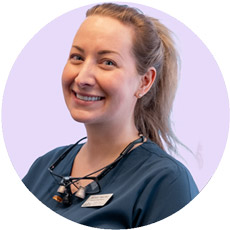
General dentist Dr. Simali Garach and every member of our Queen King Dental family are dedicated to enhancing the well-being of our patients, one smile at a time. Offering a wide range of preventive, restorative, cosmetic, and periodontal services, we strive to establish enduring relationships based on trust and mutual respect. We hold our patients in high esteem and prioritize their needs above all else. Call us today, and let's work together to prioritize your beautiful smile!















Have Insurance Questions?

Contact Us
Today
If you want to know more about us, our approach to dentistry, and how we can help you care for your smile, contact us today. Our friendly and knowledgeable staff is excited to get to know you better and help you reach your oral health goals!
Read Our Awesome Reviews
- Derek T
- Grace D
- James C