

Dental Bone Graft Caistor Centre
A dental bone graft is a surgical procedure that rebuilds bone structure in the jaw to support dental implants or restore areas damaged by tooth loss or disease. Queen King Dental offers this advanced restorative service to patients across the Caistor Centre area and surrounding communities who need to strengthen their foundation for long-term tooth replacement.
What a Dental Bone Graft Does and Why You Might Need One
When a tooth is lost, the bone that supported it begins to break down within months. This process, called resorption, can progress significantly over time, leaving insufficient bone height or width to anchor a dental implant securely. A bone graft rebuilds this lost structure by introducing bone material to the affected area, allowing it to fuse with your existing bone over several months and create a solid foundation.
You may be a candidate for this procedure if you:
- Lost one or more teeth and want to pursue dental implants
- Have experienced bone loss from advanced gum disease or periodontal infection
- Sustained injury or trauma to your jaw
- Need additional support before or alongside other restorative work
The timeline from graft placement to implant readiness typically spans four to nine months, depending on the extent of bone loss and how well the graft integrates. Because bone regeneration is a biological process, individual healing rates vary, and your dentist will monitor progress with imaging to confirm the bone is ready.
Types of Bone Graft Materials Used
Dentists choose from several graft materials, each with distinct properties that affect cost, healing speed, and outcomes. The right choice depends on the size of the defect, your bone quality, and your treatment timeline.
| Material Type | Source | Integration Speed | Best For |
|---|---|---|---|
| Autogenous bone | Harvested from your own jaw, hip, or tibia | Fastest (3-6 months) | Large defects; highest predictability |
| Allograft | Donor bone from a tissue bank | Moderate (4-8 months) | Medium defects; avoids second surgical site |
| Xenograft | Animal bone, typically bovine | Moderate to slow (6-9 months) | Smaller defects; maintains volume |
| Alloplast | Synthetic bone substitute | Variable (4-9 months) | Limited defects; biocompatible alternative |
Your dentist at Queen King Dental will assess your specific situation and recommend the material most likely to succeed in your case, weighing factors like defect size, budget, and how quickly you need to proceed to implant placement.
The Procedure and Recovery at Queen King Dental
A bone graft is a surgical procedure performed under local anesthesia, sedation, or general anesthesia depending on the complexity and your comfort level. Queen King Dental prioritizes patient comfort throughout every step, using advanced diagnostic tools like digital imaging to plan the exact placement and ensure precision.
The process involves:
- Accessing the area where bone has been lost through a small incision in the gum
- Preparing the recipient site and placing the graft material
- Securing the graft with a membrane or other stabilizing technique
- Closing the incision with sutures that dissolve on their own
Recovery is gradual. Swelling and discomfort peak in the first few days and gradually subside over one to two weeks. You will likely experience some restriction on your diet and oral hygiene routine during the early healing phase, which your clinician will detail before you leave. Because the graft needs time to integrate without interruption, avoiding strenuous activity and protecting the surgical site are essential during the initial healing window.
Queen King Dental provides same-day appointments for consultations and can schedule surgery at times that fit your life. The team uses amenities like weighted blankets and InLight Therapy to help anxious patients feel grounded and supported during and after treatment.
Planning Your Bone Graft and Next Steps
Before recommending a bone graft, your dentist performs a thorough evaluation including clinical examination and digital scanning with iTero technology to map bone height, width, and density precisely. This diagnostic detail prevents unnecessary grafting and confirms that bone rebuilding will genuinely improve your implant success rate.
After the graft heals, you will return for follow-up imaging to confirm integration. Once bone density and volume are adequate, implant placement can proceed. Some cases allow implant placement at the same time as grafting if bone quality permits, shortening overall treatment time. Your dentist will discuss timing openly so you understand what to expect.
Caistor Centre residents and families choosing this path benefit from having experienced dental surgeons nearby. Dr. Larry Levin and Dr. Kim Kwon bring years of restorative and surgical expertise, supported by a calm clinical environment and a patient-first approach to comfort and communication.
If you have experienced bone loss and are considering dental implants, or if you want to understand whether a graft is the right choice for you, Queen King Dental welcomes a conversation. Reach out to discuss your goals and learn how your mouth can be restored to full strength and function.
Frequently Asked Questions
How long does a dental bone graft take to heal before an implant can be placed?
Most bone grafts require four to nine months to integrate fully, though some cases heal faster. Your dentist will use follow-up imaging to confirm the bone is ready for implant placement. Factors like graft material type, defect size, and your individual healing response all influence the timeline.
Is a bone graft necessary for every dental implant?
No. If you have adequate bone height and width already, an implant can often be placed without grafting. Your dentist uses digital scans to measure your bone precisely and determine whether grafting will improve your outcome or if it can be skipped.
What is the cost of a dental bone graft in Caistor Centre?
Bone graft costs vary based on the defect size, material type, and whether the procedure is done alone or with other surgery. Contact Queen King Dental for a consultation and estimate tailored to your specific needs.
Will I have pain or significant swelling after a bone graft?
Some swelling and discomfort are normal and peak within the first few days, then gradually improve over one to two weeks. Queen King Dental manages post-operative comfort with clear instructions and supportive amenities designed to ease recovery.
Whiten Your Smile … Virtually! Try It Now!
Get A Glimpse Of Our Care!
With our iTero intraoral scanner, our team can create incredibly precise, natural-looking, and durable crowns, bridges, implants, and more. Watch this video to learn more!
Ask Us About InLight Therapy!
Top Reasons We Could Be Perfect For You & Your Family

Proven Technology
Zoom Whitening
Tailored Care
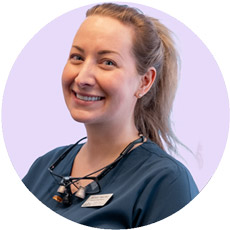
Meet Our Doctor & Team
General dentist Dr. Simali Garach and every member of our Queen King Dental family are dedicated to enhancing the well-being of our patients, one smile at a time. Offering a wide range of preventive, restorative, cosmetic, and periodontal services, we strive to establish enduring relationships based on trust and mutual respect. We hold our patients in high esteem and prioritize their needs above all else. Call us today, and let's work together to prioritize your beautiful smile!















Have Insurance Questions?

Contact Us
Today
If you want to know more about us, our approach to dentistry, and how we can help you care for your smile, contact us today. Our friendly and knowledgeable staff is excited to get to know you better and help you reach your oral health goals!
Read Our Awesome Reviews
- Derek T
- Grace D
- James C