

Dental Bone Graft Arkell
A dental bone graft is a surgical procedure that adds bone material to your jaw to rebuild volume and density lost to tooth extraction, periodontal disease, or injury, typically performed to prepare the site for dental implants or other restorative work. Queen King Dental offers bone grafting as part of our comprehensive surgical and restorative services, serving patients across Hamilton and nearby communities including Arkell with the same level of clinical precision and comfort-focused care we bring to every procedure.
Arkell is a small, close-knit rural community in Wellington County near Hamilton, where many residents commute to the city for specialized dental care. For those needing bone grafting-a procedure requiring both surgical skill and access to advanced imaging-Queen King Dental provides a trusted alternative that combines urban-standard clinical expertise with the personalized attention Arkell patients deserve.
Bone Graft Materials: Autograft, Allograft, and Xenograft Compared
The foundation of any successful bone graft lies in the material used, and there are three primary categories, each with distinct clinical and practical characteristics.
| Graft Type | Source | Integration Timeline | Strength Profile | Best For |
|---|---|---|---|---|
| Autograft | Your own bone (typically from jaw or hip) | 8-12 weeks | Highest; living cells promote rapid osseointegration | Large defects; single-tooth implants; complex cases |
| Allograft | Cadaveric bone (processed, sterile) | 12-16 weeks | High; undergoes osseointegration without live cells | Moderate defects; patients avoiding second surgical site |
| Xenograft | Animal bone (bovine or porcine, processed) | 16-24 weeks | Moderate to high; acts as scaffold for new bone formation | Smaller defects; ridge preservation; cost-conscious patients |
Autografts-bone harvested from your own body-remain the clinical gold standard because they contain living osteogenic cells that actively participate in new bone formation. The trade-off is a second surgical site, which extends procedure time and post-operative recovery. Allografts use processed donor bone and eliminate this donor-site morbidity; they integrate reliably but slightly more slowly than autografts. Xenografts, derived from animal sources and heavily processed, serve as a biocompatible scaffold and are often the most economical option, though they typically require the longest integration period.
Queen King Dental evaluates your specific defect size, implant timeline, and clinical goals to recommend the material most likely to succeed in your situation. Our team discusses the advantages and limitations of each openly, ensuring you understand both the healing biology and practical timeline involved.
Surgical Technique and Placement Strategy in Arkell-Area Patients
The surgical placement of bone graft material follows established protocols, though the specific approach depends on defect location, depth, and the anatomy of your existing bone.
- Socket grafting: Graft material is placed into the extraction socket immediately after tooth removal to preserve ridge volume and prevent collapse; commonly used when an implant is planned within 4-6 months.
- Ridge augmentation: A flap is reflected to expose the deficient ridge, graft material is secured (often with a barrier membrane), and soft tissue is closed; typically performed 4-6 weeks before implant placement.
- Sinus lift (sinus floor elevation): The sinus membrane is gently lifted and graft material is placed beneath it; reserved for upper posterior areas with insufficient vertical bone height.
- Block grafting: A solid piece of bone (usually autograft) is secured with screws to fill large or structural defects; more invasive but offers superior load-bearing capacity for severe resorption.
Because Arkell patients often coordinate their dental care around work and family schedules, Queen King Dental minimizes unnecessary treatment stages. When your anatomy permits, staged protocols are condensed-for example, socket grafting at extraction allows implant placement in a single follow-up procedure rather than multiple visits spread across months. Our use of iTero digital scanners and advanced imaging ensures precise pre-operative planning, reducing surgical time and post-operative complications.
Membrane barriers-typically collagen-based or synthetic-are often placed over the graft to prevent soft tissue from infiltrating the bone site and to compartmentalize the healing response. These dissolve naturally or are removed at a second appointment if non-resorbable types are used.
Timeline, Healing, and Integration Expectations
Bone graft integration is a biological process that cannot be rushed, though patient factors and material choice influence the rate. Generally, expect the following progression:
- Weeks 1-2: Surgical site stabilizes; mild swelling and bruising resolve; sutures remain in place or dissolve (depending on type).
- Weeks 2-4: Acute healing phase concludes; graft material becomes incorporated into surrounding bone; most patients return to normal diet and activity.
- Weeks 4-8: New bone formation accelerates; revascularization of graft material occurs; slight resorption of graft edges is normal and expected.
- Months 3-6: Majority of integration is complete; graft material is now part of the living jaw structure; your dentist can assess readiness for implant placement via clinical examination and radiographs.
- Month 6+: Full osseointegration and remodeling continues; implant can be placed with confidence in adequate volume and density.
Autografts typically reach clinical stability in 8-12 weeks; allografts in 12-16 weeks; xenografts in 16-24 weeks. These ranges are not absolute-smoking, poor oral hygiene, diabetes, and certain medications can slow healing. Conversely, excellent home care and good systemic health accelerate it.
Queen King Dental provides clear pre- and post-operative instructions to optimize your healing. This includes what to eat and avoid, how to clean the area, and when to expect swelling to peak. Our team schedules follow-up appointments to monitor your progress and confirm readiness for the next phase. Because same-day appointments and emergency prioritization are core to our practice philosophy, if you experience unexpected pain or swelling, you can reach out without delay.
Pros, Cons, and Clinical Verdict
Bone grafting is a proven, predictable way to restore jaw volume for implant placement, but it is not without trade-offs. The procedure adds cost and time to your implant journey-typically 4-6 months of healing before implant placement can begin. In some cases, staged protocols mean two or three surgical appointments instead of one. For patients in Arkell or surrounding areas managing multiple health priorities, this timeline requires realistic planning.
However, the alternative-attempting implant placement in severely resorbed bone without grafting-carries higher failure risk, compromised esthetics, and long-term bone loss around the implant. Bone grafting therefore represents an investment in implant longevity and functional success, not merely cosmetic improvement.
For most patients, autograft remains the strongest clinical choice when a second surgical site is acceptable; it offers the fastest integration and highest biological activity. Allograft is an excellent middle ground-no donor-site surgery, reliable integration, and a reasonable timeline. Xenograft is cost-effective for smaller defects and ridge preservation, though it requires patience.
Queen King Dental's verdict is straightforward: bone grafting, when indicated by thorough assessment, is a cornerstone of predictable implant success. Our team will not recommend grafting unless your clinical situation demands it. When it is necessary, we select the material and technique that best match your defect, timeline, and preferences-and we manage your care from extraction or initial evaluation all the way through implant placement and restoration.
If you are in Arkell or nearby areas and facing tooth loss or bone loss, or if another dentist has told you that bone grafting is needed, we welcome you to discuss your options with our team. Contact Queen King Dental to schedule a consultation and learn how we approach your specific situation with the clinical rigor and patient comfort you deserve.
Frequently Asked Questions
How long does a dental bone graft take to heal?
Healing timelines vary by graft material: autografts integrate in 8-12 weeks, allografts in 12-16 weeks, and xenografts in 16-24 weeks. Your dentist will assess readiness for implant placement through imaging and clinical examination, typically 4-6 months after grafting. Individual factors like smoking, oral hygiene, and overall health influence exact timing.
Will I feel pain during or after a bone graft procedure?
The surgical site is numbed with local anesthesia during the procedure, so you should feel pressure but not pain. Afterward, mild to moderate discomfort is normal for 3-7 days and is managed with prescribed pain medication and ice. Queen King Dental provides detailed post-operative care instructions and same-day support if complications arise.
Is an autograft or allograft better for my implant?
Autografts offer the fastest integration and highest biological activity but require a second surgical site. Allografts eliminate donor-site surgery and integrate reliably, making them ideal for most patients who want to minimize invasiveness. Your dentist will recommend based on defect size, timeline, and your overall health.
Can I get a dental bone graft in Arkell?
Queen King Dental, serving Hamilton and surrounding communities including Arkell, offers bone grafting and implant surgery as part of our comprehensive restorative and surgical services. We provide the same advanced imaging and surgical expertise available in larger centers, with personalized care suited to your needs.
What happens if my bone graft fails?
Graft failure is uncommon when proper surgical technique and post-operative care are followed. If a graft does not integrate, your dentist will perform imaging to assess what occurred, and a second graft can be placed once the site has healed. Queen King Dental monitors your progress closely to catch any issues early.
How much does a dental bone graft cost?
Bone graft costs vary based on defect size, material type (autograft, allograft, or xenograft), and surgical complexity. Queen King Dental provides a detailed treatment estimate after your consultation, and we can discuss financing options and insurance coverage applicable to your case.
Whiten Your Smile … Virtually! Try It Now!
Get A Glimpse Of Our Care!
With our iTero intraoral scanner, our team can create incredibly precise, natural-looking, and durable crowns, bridges, implants, and more. Watch this video to learn more!
Ask Us About InLight Therapy!
Top Reasons We Could Be Perfect For You & Your Family

Proven Technology
Zoom Whitening
Tailored Care
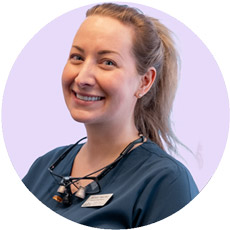
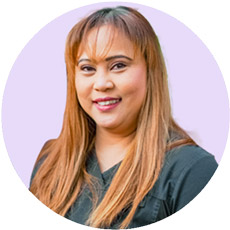
Meet Our Doctor & Team
General dentist Dr. Simali Garach and every member of our Queen King Dental family are dedicated to enhancing the well-being of our patients, one smile at a time. Offering a wide range of preventive, restorative, cosmetic, and periodontal services, we strive to establish enduring relationships based on trust and mutual respect. We hold our patients in high esteem and prioritize their needs above all else. Call us today, and let's work together to prioritize your beautiful smile!














Have Insurance Questions?

Contact Us
Today
If you want to know more about us, our approach to dentistry, and how we can help you care for your smile, contact us today. Our friendly and knowledgeable staff is excited to get to know you better and help you reach your oral health goals!
Read Our Awesome Reviews
- Derek T
- Grace D
- James C