


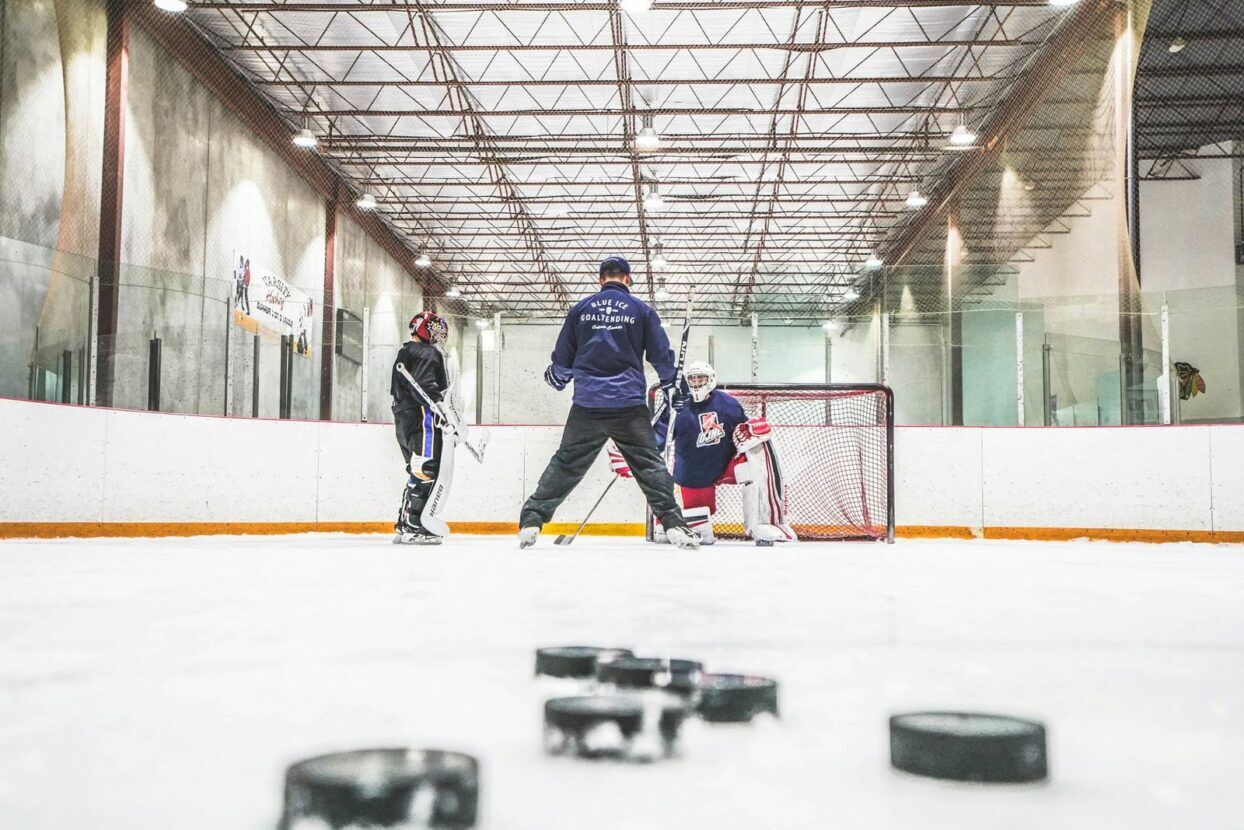
Hockey season is in full swing in Hamilton, and every week someone’s son, daughter or rec-league teammate takes a stick, puck, elbow or boards to the mouth. Some get lucky. Others end up in a dental chair with a chipped or broken tooth, or worse. A custom sports mouthguard is one of the simplest ways to protect your teeth, and it’s something we make for patients of all ages. Here’s what makes a custom guard different from the one in the sporting goods aisle, and what to expect if you get one.
Why a mouthguard matters
A mouthguard cushions a blow to the face and spreads the force across your teeth and jaw instead of letting it land on one or two teeth. It also helps protect your lips, cheeks and tongue from being cut against your own teeth. For anyone with braces, a guard matters even more, since a hit can damage both the brackets and the soft tissue around them.
Hockey gets most of the attention, but mouthguards make sense for any sport with contact, falls or flying objects: lacrosse, football, rugby, basketball, soccer, martial arts, skateboarding and more.
Three kinds of mouthguards
- Stock guards. Pre-formed and ready to wear. They’re the least expensive, but they usually fit loosely, which makes them uncomfortable and tempting to leave out.
- Boil-and-bite guards. Softened in hot water and shaped by biting down. They fit better than stock guards, but the fit and thickness can be uneven, and they often get chewed out of shape.
- Custom sports mouthguards. Made from a model of your own teeth, so they fit closely and stay in place. Most people find them more comfortable, which means they actually wear them.
The best mouthguard is the one that stays in your mouth for the whole game. For many players, especially those who talk on the ice or field, a better fit makes that much more likely.

What getting a custom mouthguard involves
It’s a simple process. A custom guard starts with an impression or scan of your teeth, the guard is made to fit that model, and then the fit is checked in your mouth. While you’re here, we can also look for anything that might affect the guard, such as loose teeth, existing dental work or orthodontic treatment. If you play a high-contact sport, let us know which one, since that can affect how the guard is made.
Kids and teens: plan for growth
Children’s mouths change quickly. New teeth come in, baby teeth fall out and jaws grow. A guard that fit perfectly in September might not fit by spring. For younger players, check the fit at the start of each season, and ask us at your child’s regular checkup whether it’s time for a new one. If your child has braces or is wearing aligners, talk to us about the right kind of guard for them.
Taking care of your mouthguard
- Rinse it before and after each use, and brush it gently with a toothbrush.
- Store it in a ventilated case so it can dry. Not loose in the hockey bag.
- Keep it away from heat: car dashboards in summer and hot water can warp it.
- Bring it to your dental appointments so we can check it.
- Replace it if it’s cracked, torn, chewed through or no longer fits snugly.

If a tooth gets knocked out or broken
Even with a guard, accidents happen. If a tooth is knocked out, handle it by the crown (the part you chew with), not the root, keep it moist (in milk or in your mouth against your cheek if it’s an adult tooth) and get to a dentist as soon as possible. Time matters. For broken or chipped teeth, save any pieces and call us. We offer same-day emergency dental care in downtown Hamilton.
Book a mouthguard fitting
Sports mouthguards are one of the preventive services we offer at Queen King Dental, alongside hygiene visits, oral cancer screening and nightguards for teeth grinding. We accept most insurance plans, are a CDCP provider, and submit claims on your behalf. You can see all of our dental services, then request an appointment or call us at (289) 769-9598. Bring your gear questions. We’re happy to help you or your young player get protected before the next game.
This article is general information. Please see your dentist for advice about your own teeth.